


Description
What This Bundle Actually Is
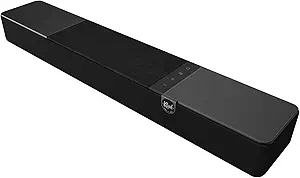
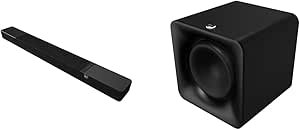
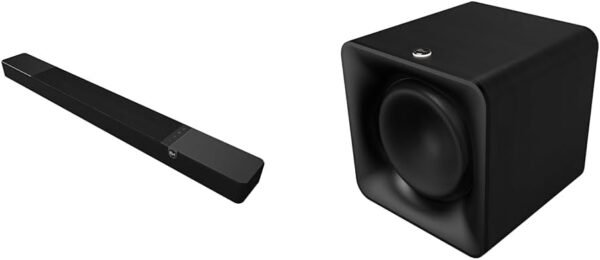
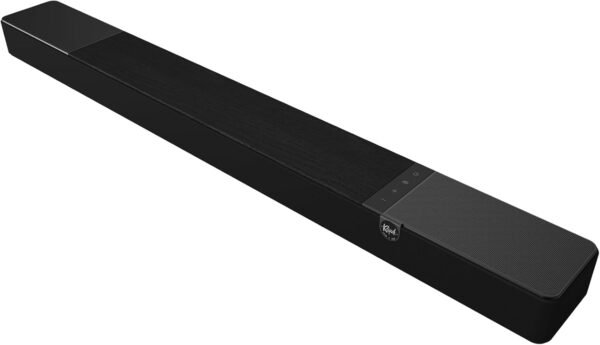
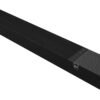
This listing is a two box bundle: the Klipsch Flexus Core 200 sound bar paired with the Flexus Sub 100, a 10 inch wireless subwoofer. The bar itself is a 3.1.2 channel design, meaning three horizontal channels across the front, one subwoofer channel and two upward firing drivers for Dolby Atmos height effects. Buying the pair together rather than separately is the point of the listing, because the Core 200 alone has no dedicated bass cabinet and the height layer only pays off when the low end underneath it is being handled by something larger than a bar mounted driver.
Klipsch is explicit that the Flexus platform is powered by Onkyo manufacturing, a detail that carries some weight given both brands now sit under the same corporate roof. In practice it means the digital signal processing and amplification lineage comes from a company with a long receiver history rather than from a consumer accessory maker. The target buyer is someone with a living room television who wants a genuine Atmos height layer and real subwoofer output, without running speaker wire or committing to an AV receiver such as the Onkyo TX-RZ50.
The 3.1.2 Channel Layout and Dolby Atmos
A 3.1.2 configuration puts left, center and right channels in the bar, which is the single biggest practical upgrade over a 2.1 bar because dialogue gets its own dedicated driver array instead of being phantom imaged between two stereo channels. The two upward firing drivers bounce height information off the ceiling to place overhead effects. Klipsch positions this as the foundation of a system rather than an endpoint, and the Flexus range is designed so that surround speakers can be added later over the same wireless link.
That expandability is handled by what Klipsch calls Transport technology, a proprietary connection layer that ties the bar, the subwoofer and any additional components together. Proprietary is the operative word: the Sub 100 is designed to pair with Flexus bars, so the wireless link is not a generic standard that will accept a subwoofer from another brand. Buyers comparing this against a bar with a conventional subwoofer output should factor that in. For a look at the same subwoofer sold on its own, the Klipsch Flexus SUB 100 listing covers it as a standalone purchase.
The Flexus Sub 100 Subwoofer
Klipsch describes the Sub 100 as a 10 inch driver using a high excursion paper cone in a deliberately compact cabinet. High excursion means the cone is designed to travel further than a conventional driver of the same diameter, which is the standard engineering route to getting usable low frequency output from a box small enough to sit beside a sofa. Paper remains a common cone material at this size because it is light and well damped, and Klipsch has used paper and paper composite cones across its range for a long time.
What the listing does not publish is a frequency response figure, an amplifier power rating in watts, or the cabinet alignment, so there is no way to compare its stated depth against a competitor on paper. Anyone who wants published numbers before buying will find them easier to come by on separately sold models in the subwoofers category, including larger sealed and ported designs intended for dedicated theater rooms rather than bar systems.
Build, Reliability and Placement
Klipsch states that both the bar and the subwoofer pass over 1,000 tests before shipping, and describes the Flexus series as using premium design and materials intended to suit a range of interiors. The 1,000 test figure is a manufacturing quality claim rather than a performance one, and it is not independently verifiable, but it is the kind of statement a brand only makes when it expects returns to be scrutinized. Placement is the usual sound bar compromise: the height drivers need a flat, reflective ceiling to work as intended, and a vaulted or heavily textured ceiling will weaken the Atmos effect regardless of how well the bar is engineered.
Highlights
- 3.1.2 channel bar with a dedicated center channel and two upward firing Atmos drivers.
- Bundled with the 10 inch Flexus Sub 100 rather than sold as a bar only package.
- Klipsch Transport wireless link connects the bar, the subwoofer and future Flexus surrounds.
- High excursion paper cone woofer in a compact subwoofer cabinet.
- Manufacturing handled by Onkyo, which Klipsch names directly in the listing.
- Designed as an expandable platform rather than a fixed system.
Things To Consider
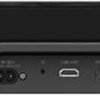
The listing is unusually thin on measurable specifications. There is no total power output, no frequency range for either the bar or the subwoofer, no HDMI specification, no statement about eARC support, and no dimensions or weight. For a product in this class those are the details buyers normally use to decide, and their absence means the decision rests on the brand and the channel count alone. Anyone matching this to a specific television should confirm the HDMI arrangement before ordering.
The proprietary wireless link is a genuine lock in. It makes setup simple, but it also means the subwoofer and any surround speakers must come from the Flexus family. Buyers who like to mix brands, or who already own a subwoofer, will get less value from the bundle than the price implies. It is also worth noting that this site carries a separate listing for the Klipsch Core 200 sound bar on its own, and the smaller Flexus Core 100 covers the entry point in the same family, so it is easy to buy the wrong configuration by accident.
Finally, upward firing Atmos is a compromise by design. It uses ceiling reflection to simulate height channels, and it will never behave like speakers physically mounted overhead. In a room with a high, angled or absorbent ceiling, a 3.1.2 bar effectively becomes a very good 3.1 bar. That is not a fault in the product, but it is the difference between the marketing description and what a given room will actually deliver.
Who It Suits
This bundle fits a household that wants a substantial television audio upgrade in one purchase, has a flat ceiling for the height drivers to work with, and would rather not run wires or configure a receiver. The dedicated center channel makes it a sensible pick for people whose main complaint is unclear dialogue, and the expandability means the system can grow into surrounds later without replacing the bar.
It suits less well anyone who needs published specifications before buying, anyone who already owns a subwoofer they intend to keep, or anyone building a component system around a receiver and separate speakers. Buyers in that position should compare against the wider sound bars selection and against traditional component paths before committing to a closed ecosystem.