Description
What the Roland TD-11 Is and What This Listing Actually Sells
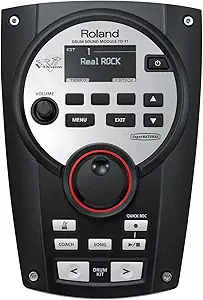
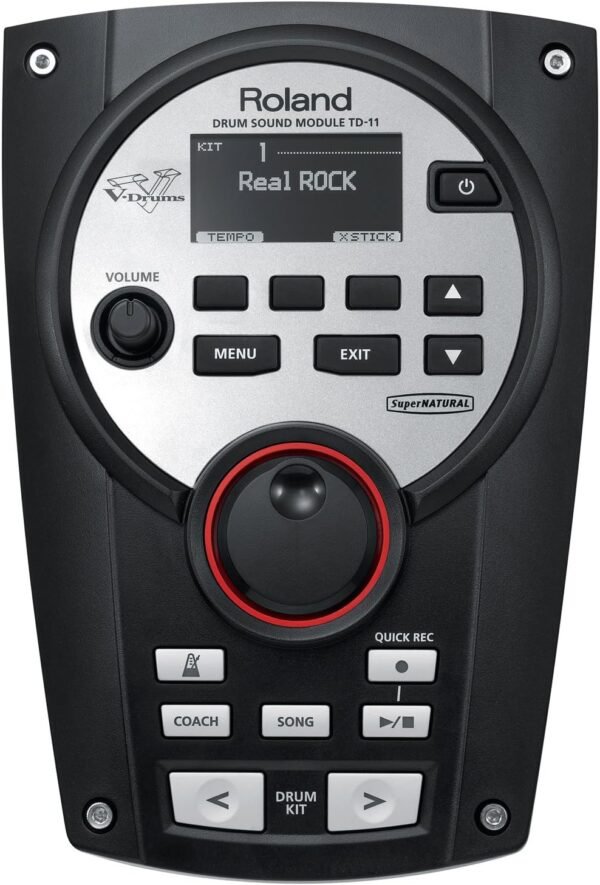
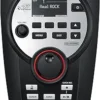
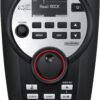
Two things need separating here. The TD-11 is a Roland V-Drums sound module: the box that receives trigger signals from drum pads, produces the sounds, and provides the practice and training functions. It is not a drum kit. It has no pads, no cymbals, no rack and no pedals.
The second point is more important and is stated plainly in the listing itself. This is a pre-owned unit. The seller’s description reads that the buyer is looking at a Roland TD-11 module in excellent condition, that it comes exactly as pictured, and that the seller is a specialist in pre-owned Roland V-Drum equipment. A feature bullet adds that the condition is close to unmarked and that hardware is included.
That changes the nature of the purchase entirely. There is no manufacturer warranty position stated, no confirmation of firmware version, no statement of remaining service life and no way to verify condition beyond photographs. The listing gives a weight of 4.35 pounds and dimensions of 14.3 by 7.8 by 5.3 inches, an original availability date of May 2012, and 11 ratings at an average of 4.5 stars.
What a Drum Sound Module Does
In an electronic drum kit, the pads are sensors and the module is the instrument. Each pad sends a trigger signal describing where it was struck and how hard, and the module converts that into sound, applies dynamics and produces the output. Everything that determines how a kit sounds and feels, other than the physical pads, lives in the module.
That is why modules are sold separately. Upgrading a module transforms an older kit without replacing any of the hardware, and a working module can outlive several sets of pads. It is a genuinely sensible upgrade path and it is the main reason someone would buy a module on its own.
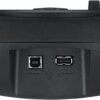
The TD-11 sits in Roland’s mid range from its era, positioned above entry level modules and below the flagship units of the time. Roland modules of this generation typically offer a bank of preset kits, editing of individual instrument sounds, a metronome, coaching and practice functions, and USB or MIDI connectivity for use with a computer. This listing documents none of that specifically, so buyers should work from Roland’s own manual, which remains available for a product of this vintage.
Compatibility Is the Critical Question
Module and pad compatibility is not universal. Roland modules use particular trigger input arrangements, and a module from one generation may not support the pad types, cymbal chokes or hi-hat controllers used by a kit from another. A dual zone snare, a three zone ride and a positional sensing hi-hat all require the module to understand them.
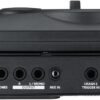
The listing states that hardware is included, without saying what that hardware is. It most likely refers to the module mount that attaches to a drum rack, but it could mean a trigger cable loom, which is the more valuable item. Buyers should establish exactly what arrives, because a module without its multi pin trigger cable is considerably less useful.
Buying Used Electronic Drum Equipment
Used modules are a reasonable purchase in principle, because they have no moving parts beyond controls and no consumable components in the way that drum heads and cymbal pads do. The failure modes are worn potentiometers, damaged trigger inputs and failed displays.
The specific risks worth checking on any used module are whether every trigger input works, whether the display is fully legible, whether the controls are free of crackle, and whether the unit has its power supply. A module missing its correct supply is a further purchase and a potential compatibility issue.
A product first listed in 2012 also raises a support question. Roland’s newer modules such as those found in current V-Drums kits offer larger sound sets and better trigger processing, and a drummer building a hybrid acoustic and electronic rig might be better served by a dedicated unit such as the Yamaha EAD10, which approaches the problem differently by amplifying an acoustic kit.
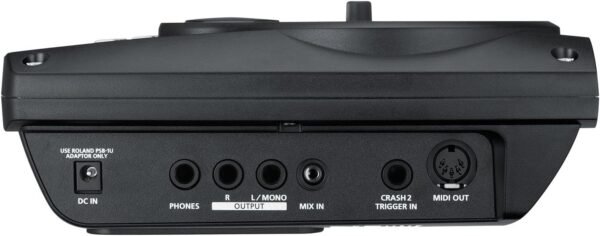
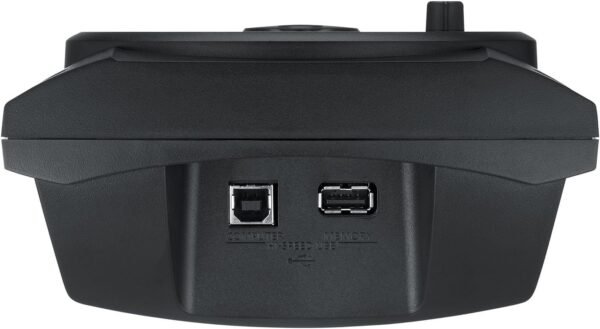
The listing carries no manufacturer specification at all: no kit count, no voice count, no input list, no MIDI or USB detail and no output configuration. The Amazon description is a seller’s condition statement rather than a product description.
Highlights
- A Roland V-Drums module, the component that determines how an electronic kit sounds.
- Compact and light at 4.35 pounds, so it mounts on a rack without strain.
- Buying a module alone is a valid upgrade path for an existing kit.
- Seller specializes in pre-owned Roland V-Drum equipment rather than general resale.
- Mounting hardware stated as included.
- Roland modules of this generation are well documented, with manuals still available.
Things To Consider
This is a used product listing. Condition is described by the seller, not verified, and there is no stated manufacturer warranty. Anyone uncomfortable with that should buy new.
No product specification appears anywhere. Kit count, voice count, trigger input configuration, MIDI and USB capability and output arrangement are all absent, and the description is a sales statement rather than a spec sheet.
Pad compatibility is the critical unknown. Modules do not work equally with all pads, and a buyer should confirm that their existing kit’s pads, cymbals and hi-hat controller are supported before ordering.
What hardware is included is not defined, and whether the trigger cable loom and power supply are present is unstated. Both are essential and neither is cheap to replace. The product also dates from 2012, so it is several generations behind current Roland modules. Buyers can browse related equipment in the sound modules and electronic drum accessories categories, and drummers recording acoustically should look at a microphone set such as the Shure DMK57-52.
Who Should Buy It and Who Should Not
This listing makes sense for a drummer who already owns compatible Roland pads and wants to add or replace a module without paying for a new kit, and who is comfortable buying used from a specialist seller. The module upgrade path is real and this is a legitimate way to take it.
It is the wrong purchase for anyone expecting a complete drum kit, for a buyer who needs a warranty, or for someone whose existing pads may not be compatible. Producers wanting drum sounds rather than a triggering module should look at a production instrument such as the Akai MPC Key 61 instead.