Description
What the Yamaha EAD10 Is and Who It Suits
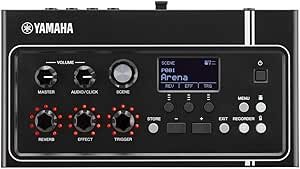
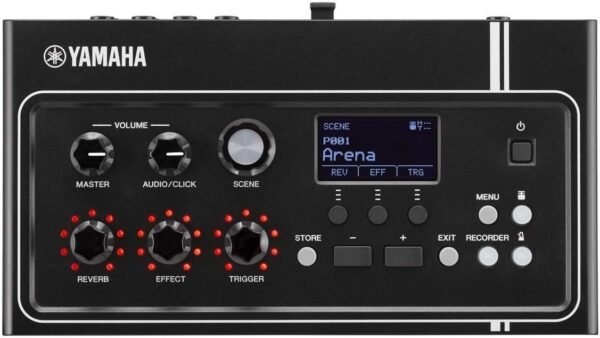
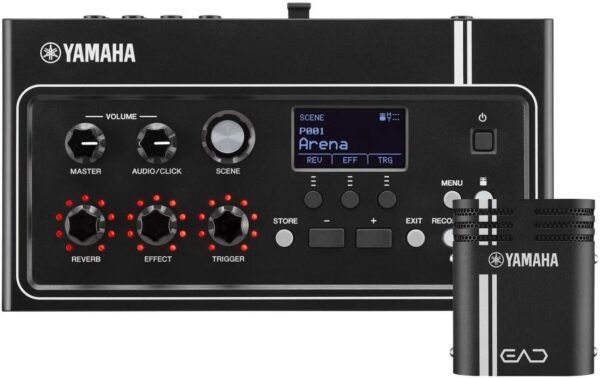
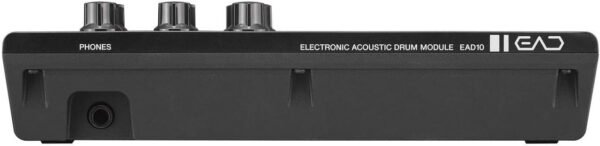
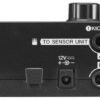
The Yamaha EAD10 is not a drum kit and not an electronic drum module in the usual sense. It is a system that attaches to an existing acoustic kit and turns it into a hybrid instrument. The listing describes an EAD10 sensor unit with support for up to six triggers and pads, a USB connector, a weight of 5 pounds and dimensions of 18.2 x 9 x 7 inches. It first became available in November 2017 and sits at number 2 in Electronic Drum Triggers on the source listing.
The buyer is a drummer who already owns an acoustic kit and wants to record it, layer electronic sounds onto it, or practice with it quietly through headphones. That is a different proposition from buying an electronic kit, which replaces the acoustic instrument entirely. Drummers considering the full electronic route instead should read the Roland TD-11 drum module, and those looking at microphone based recording can compare the Shure DMK57-52 drum microphone kit.
How a Hybrid System Works
Hybrid drumming means combining acoustic drums with electronic sounds so both are heard together. The technical problem is capture: something has to detect when a drum is struck, and how hard, and turn that into a signal the electronics can use.
Two approaches exist and this product uses both. Triggers are contact sensors that mount on individual drums and detect the physical impact, which gives precise per drum information and allows a specific electronic sound to be layered onto a specific drum. The listing states support for up to six triggers and pads, which covers a typical kit. The second approach is a microphone, which captures the overall sound of the kit and the room, and is what allows the system to record the acoustic drums as they actually sound rather than as a set of triggered events. The two together are what make a hybrid system genuinely useful rather than a novelty.
Recording, Practice and Everyday Use
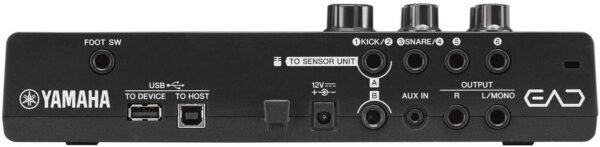
The USB connection listed in the specifications is the feature that connects this to a computer. For a drummer, recording is usually the hardest part of home music production: an acoustic kit conventionally needs several microphones, several preamps and a treated room, all of which is expensive and time consuming. A capture system built for the kit reduces that to one device.
The other everyday use is quiet practice. A drummer can play the acoustic kit while monitoring through headphones, with the kit’s own sound captured and mixed with a backing track or a metronome. That does not make the acoustic drums quiet in the room, since a struck drum makes noise regardless, but it does solve the monitoring problem that makes practicing along with music difficult on drums. Drummers building a recording setup around this will find microphone options in the AKG P120 and multipurpose microphone sections.
Setup, Mounting and Kit Integration
A system that attaches to an existing kit has to physically mount somewhere, normally on the bass drum hoop, and the sensor and microphone assembly needs to be positioned consistently for repeatable results. That is a practical consideration for anyone who breaks a kit down between gigs, since the setup has to be reproduced each time.
Trigger placement is the other variable. Contact triggers detect vibration in the drum shell, and their sensitivity has to be adjusted so that hitting one drum does not cause a neighboring trigger to fire, an effect known as crosstalk. Every trigger system requires this adjustment and it is the single most common source of frustration for drummers new to hybrid setups. Yamaha’s module provides the sensitivity controls; the time to set them up is the drummer’s contribution. Readers can compare mounting hardware in the instrument accessory category.
Highlights
- Adds electronic sounds and capture to an acoustic kit rather than replacing it.
- Support for up to six triggers and pads according to the listing.
- USB connection for computer recording.
- Compact at 5 pounds, so it travels with the kit.
- Listed as not discontinued, in production since November 2017.
- Ranked number 2 in Electronic Drum Triggers on the source data.
Things To Consider
The specification block for this product contains fields that belong to an entirely different product category. Body Material and Material Type are both listed as Bass Wood, and Finish Type reads Painted or Varnished. Those are guitar specification fields applied to an electronics module, and they describe nothing about this product. Product Dimensions of 18.2 x 9 x 7 inches and the 5 pound weight almost certainly describe the shipping package rather than the sensor unit.
The listing also omits a great deal. There is no count of built-in sounds, no statement of the number of trigger inputs by connector type, no output connection list, no headphone output confirmation, no effects detail, no sampling capability information and no statement of what is actually in the box beyond a general reference to the sensor unit and up to six triggers and pads. That last phrase is ambiguous: it is not clear whether triggers are supplied or merely supported, and that is a substantial difference in what a buyer receives. Yamaha’s own documentation is the reference.
The listing shows no customer rating and no ratings count at all, so no aggregate buyer feedback is available from this data. On the product itself, a hybrid system does not make acoustic drums quiet, requires setup time for trigger sensitivity, and adds another item that must be transported and mounted. It also assumes the drummer already owns an acoustic kit worth capturing.
Who Should Buy It, and Who Should Not
This suits a drummer with an acoustic kit who wants to record it without building a multi microphone setup, who wants to layer electronic sounds onto acoustic drums, or who wants to practice along with music through headphones. For that drummer it solves several problems with one device.
It does not suit anyone who needs quiet practice in an apartment, since the acoustic drums still make their normal noise, and it does not suit someone who does not already own a kit. Those buyers should look at an electronic drum kit instead.