


Description
What the Yamaha C40II Is and Who It Suits
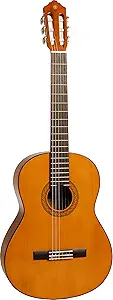
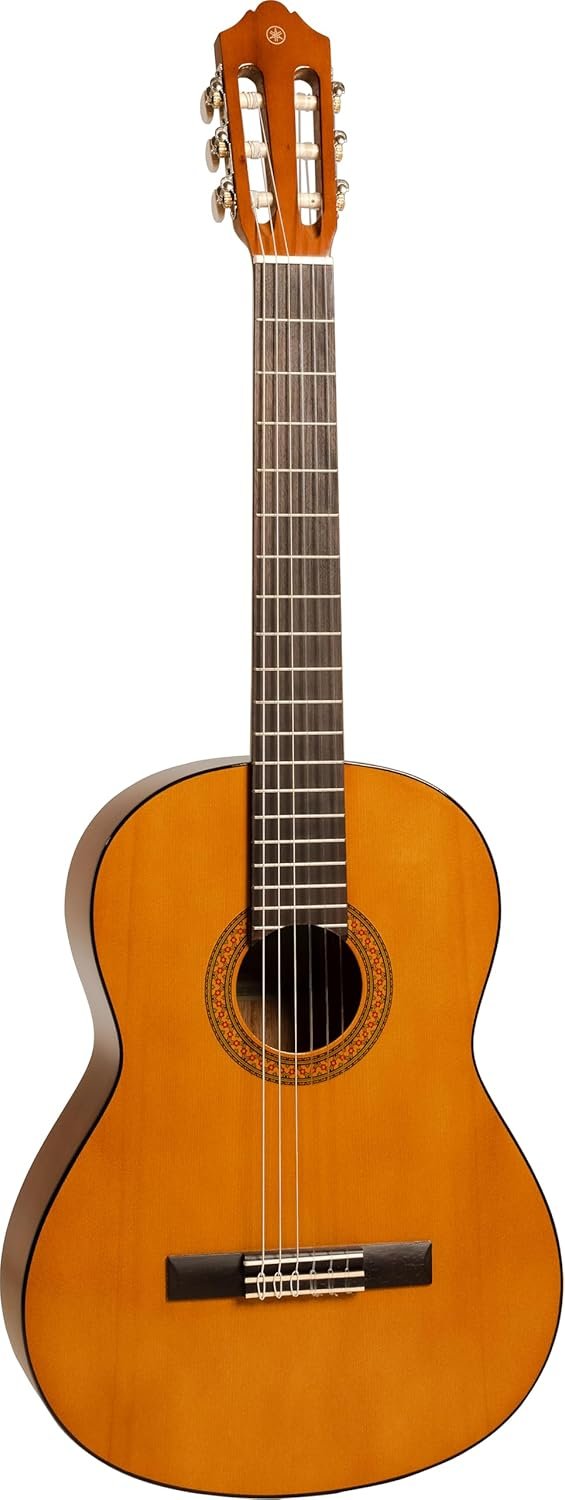
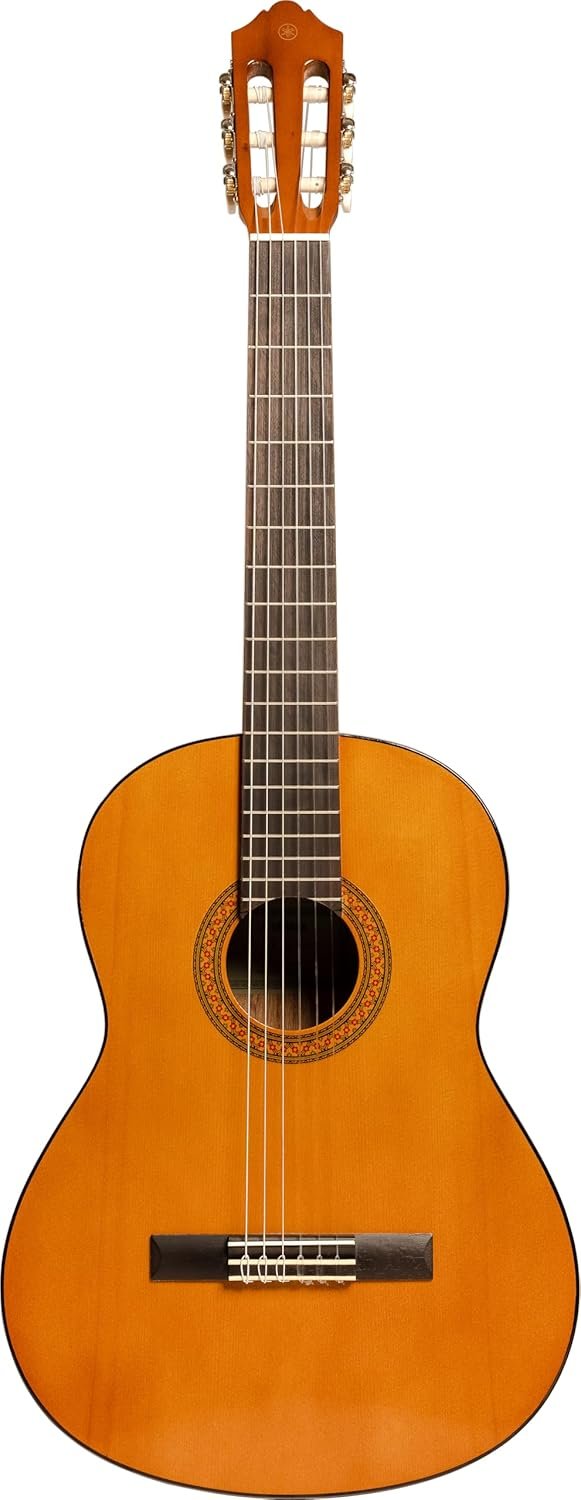
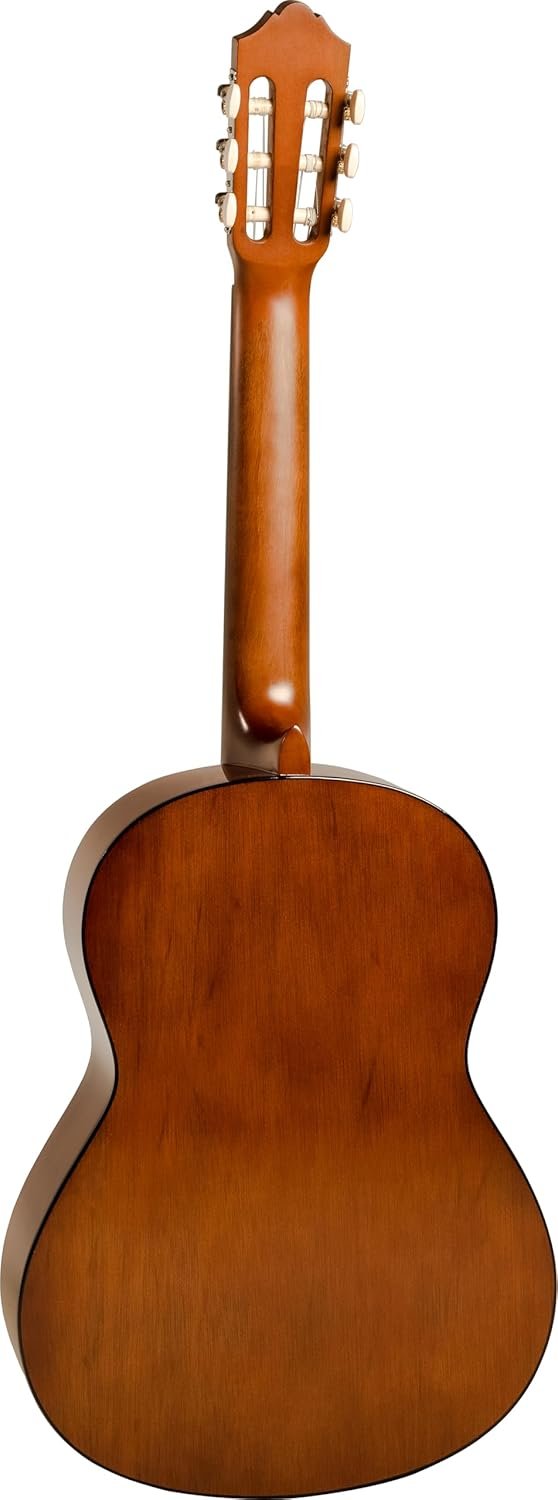
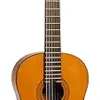
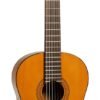
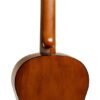
The C40II is Yamaha’s long running full size classical guitar, a nylon string instrument aimed at students and beginners. The listing specifies a spruce top, meranti back and sides, a nato neck and a rosewood fretboard, with six strings, a fixed bridge and a scale length given as 25 inches. The weight is listed at 3.3 pounds and the country of origin as China. It has been listed since July 2011 and sits near the top of the classical and nylon string guitar category, which for an instrument this long established indicates sustained demand rather than a marketing spike.
The buyer this suits is a beginner starting classical or fingerstyle guitar, a student following a formal method, or an adult returning to the instrument. Nylon strings are gentler on untrained fingertips than steel, and the wider neck of a classical guitar suits fingerstyle playing. A player who wants a steel string sound for strumming and contemporary music should look at the Yamaha FG800J or the Yamaha FSX800C instead.
Tonewoods and Construction
The material list tells a clear story about where this instrument sits. A spruce top is the traditional choice for a classical guitar soundboard, and the top is the component that contributes most to the sound. Meranti for the back and sides is a cost effective hardwood used widely in student instruments; it is not the rosewood or mahogany found on more expensive guitars, but the back and sides influence tone far less than the top does.
The listing does not state whether the spruce top is solid or laminated, and that is the single most important unanswered question about this guitar. Solid tops resonate more freely and improve as the wood ages; laminated tops are more stable and much cheaper. Instruments at this level commonly use a laminated top, but the listing does not say, and buyers who care should confirm with Yamaha’s own specification rather than assuming.
The nato neck and rosewood fretboard are standard for the class. Nato is often described as eastern mahogany and behaves similarly for neck construction. A fixed bridge, with strings tied at the bridge in the classical manner rather than held by pins, is the correct arrangement for a nylon string instrument.
Scale Length and String Type
The scale length is listed as 25 inches. Full size classical guitars are conventionally built to a 650 mm scale, which is 25.6 inches, so the listed figure is either rounded or slightly inaccurate. The practical point is that this is a full size instrument, not a three quarter or half size student guitar, and it will feel large to a young child. Yamaha and other makers offer reduced size classical guitars for that purpose.
The string material is listed as plastic, which is the attribute table’s way of describing nylon. Nylon strings are lower tension than steel, which means less finger pain for a beginner and a warmer, rounder tone. They also mean the instrument must never be strung with steel strings, since the bracing and neck of a classical guitar are not built for that tension. This is a genuine safety point for the instrument, and new owners should be told it explicitly.
Playing Experience and Practical Notes
Classical guitars have a wider fretboard and a flat radius compared with steel string acoustics. That geometry suits fingerstyle playing, where each string needs to be picked independently, and it is why classical technique is taught on this shape of instrument. It also makes chord shapes that require stretching more demanding, which some beginners find harder at first.
At 3.3 pounds this is a light instrument, and light weight matters for a student practicing for extended periods. Classical guitars are also played seated with the instrument on the left thigh in the traditional posture, often with a footstool, which is a different setup from the casual seated position used with a steel string acoustic.
The listing gives the product dimensions as 40.28 by 18.3 by 4.96 inches, which are close to the shipping box rather than the instrument itself. It carries no manufacturer description, no feature bullets and no title in the Amazon data, so almost everything above comes from the attribute table. It does not state the nut width, the finish type, whether the guitar ships with a gig bag, or whether it arrives set up and in tune. Guitars frequently need a setup after shipping, and factoring in a visit to a technician is sensible for a beginner who cannot judge action height themselves.
Highlights
- Full size classical body with a spruce top, the traditional soundboard material.
- Nylon strings, easier on untrained fingertips than steel.
- Rosewood fretboard and nato neck, standard construction for a student classical guitar.
- Light at a listed 3.3 pounds for comfortable extended practice.
- Wide flat fretboard suited to fingerstyle and classical technique.
- Long established model with a consistently high category ranking since 2011.
Things To Consider
The listing does not say whether the top is solid or laminated, and that distinction affects both tone and how the instrument ages. Anyone comparing this against other student guitars should establish the answer first.
This is a full size instrument. It is too large for most children under roughly ten years old, and a three quarter size guitar is the correct choice for a younger student.
Nylon strings only. Fitting steel strings to a classical guitar can damage the neck and bridge, and the instrument is not designed to take that tension.
The product data is almost entirely absent: no description, no bullets, no title, and dimensions that describe the box. There is no information on nut width, finish, included accessories or whether a factory setup has been performed. A classical guitar also has no pickup and no electronics, so amplifying it requires a separate microphone or a retrofit pickup, which is a real consideration for anyone intending to perform.
Who Should Buy It and Who Should Not
The C40II makes sense as a first classical guitar for a teenager or adult beginner, for a student following a classical method, or for anyone who wants a nylon string instrument for fingerstyle playing without spending heavily. Its long presence in the classical and nylon string guitars category reflects a design that has served that purpose for many years.
It is the wrong instrument for a young child, for a player who wants to strum contemporary songs where steel strings suit the style better, or for anyone who needs to plug in and perform. Players in that last group should look through the steel string acoustics category, where models such as the Martin 000-28 sit at the other end of the range.