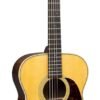

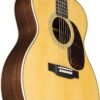
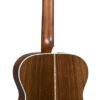
Description
What the Martin 000-28 Is and Who It Suits
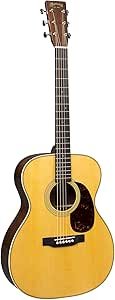
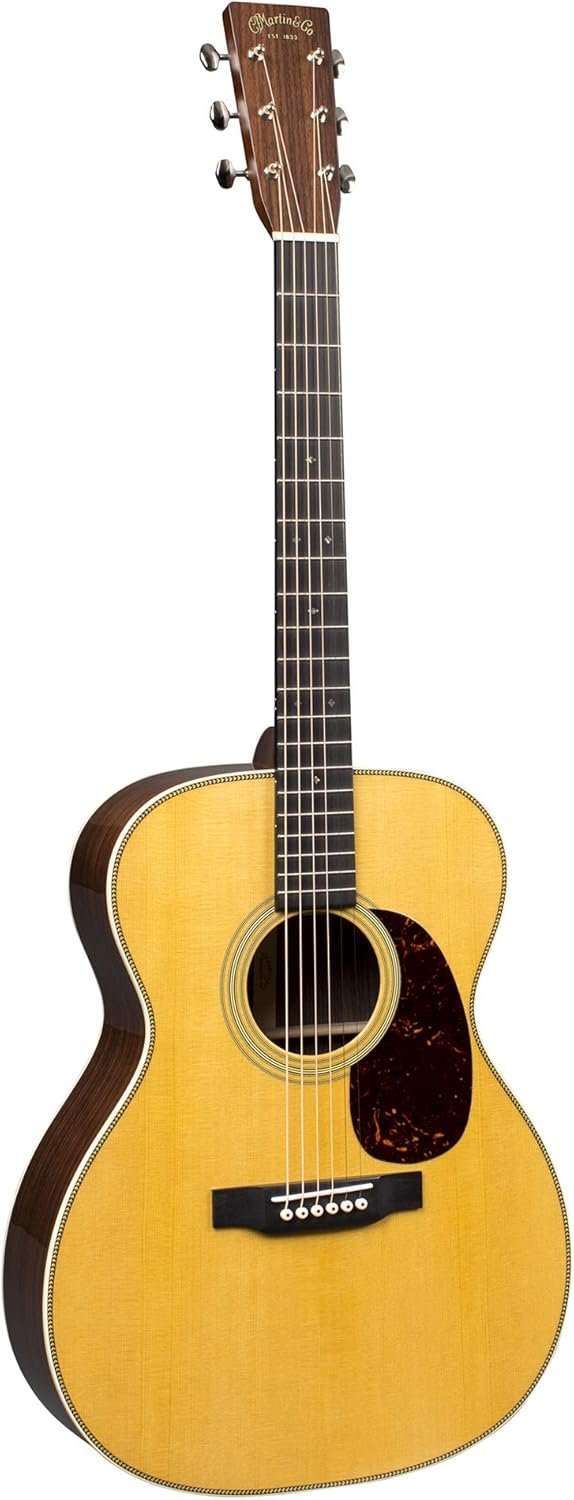
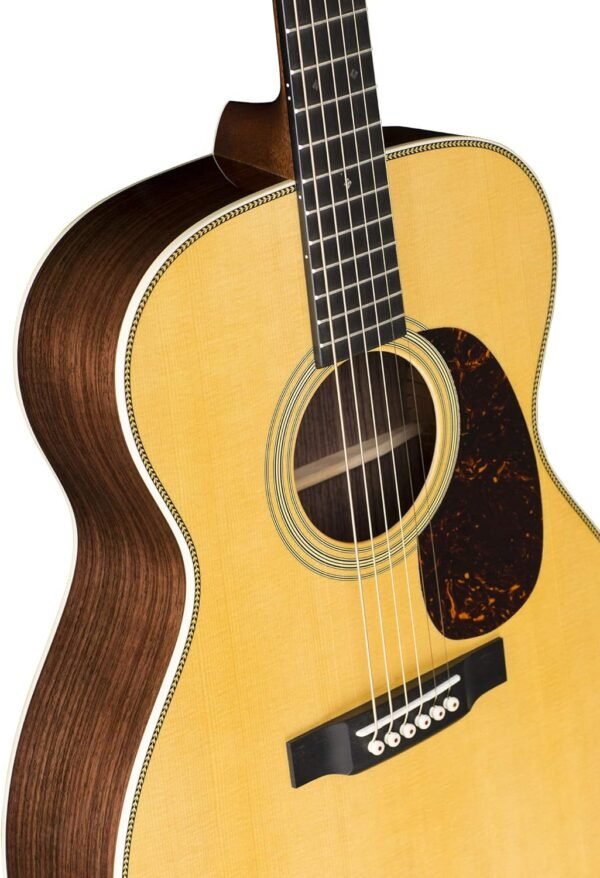
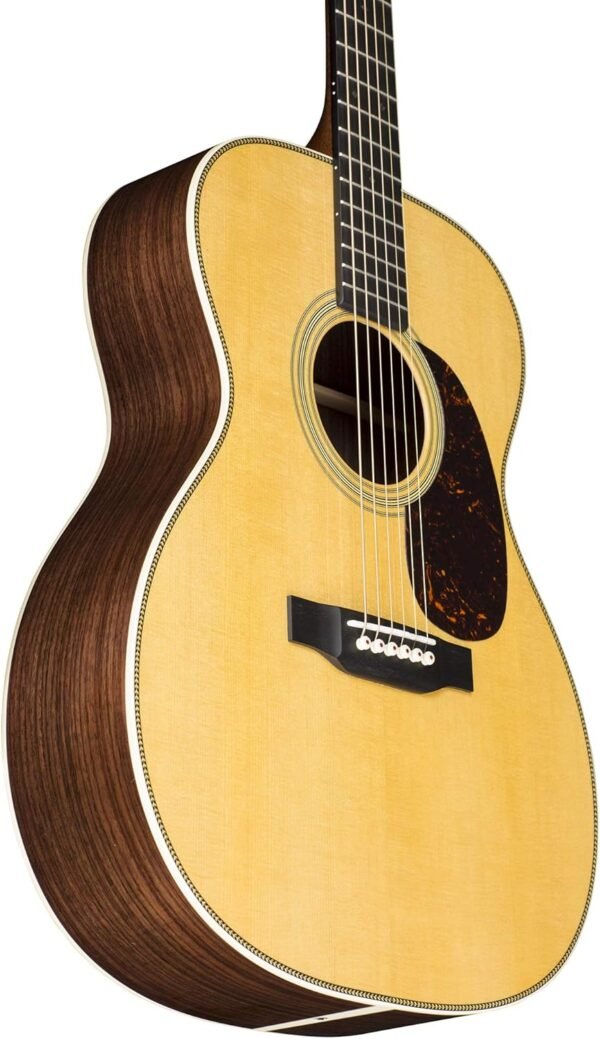
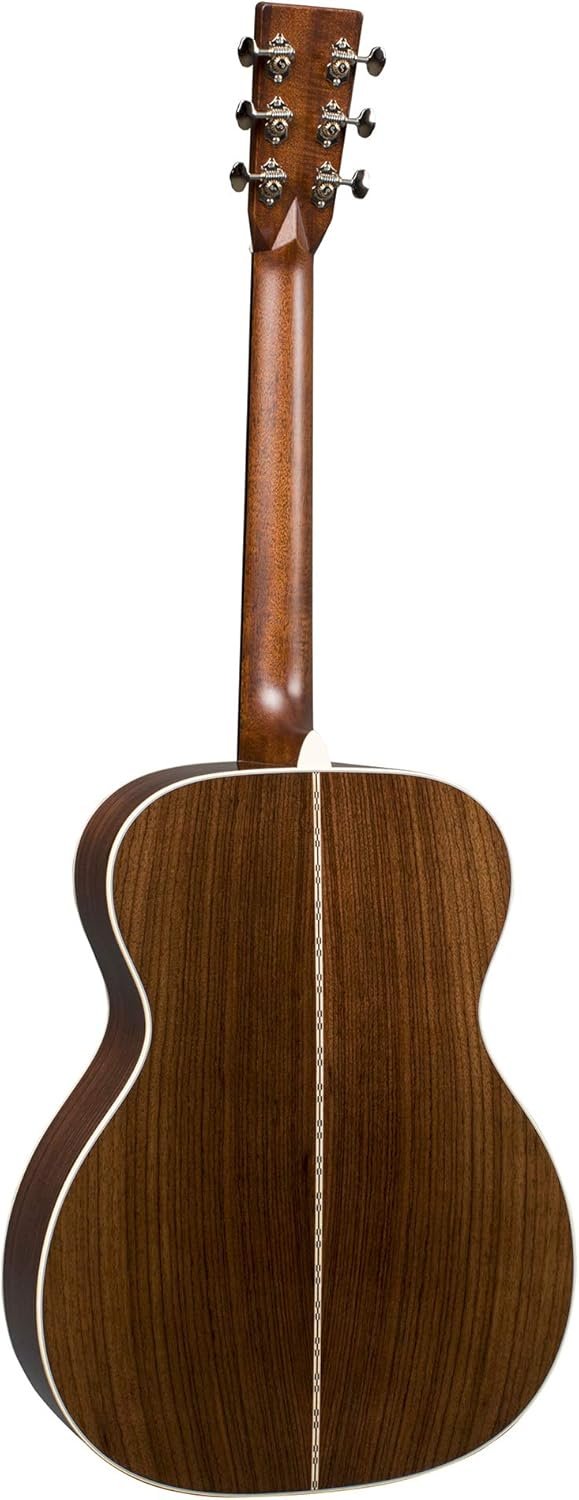
The Martin 000-28 is a steel string acoustic guitar from Martin’s Standard Series, listed as hand built with authentic wood and finished in natural. It is a musical instrument rather than a listening product, and it sits in this catalog alongside the guitars, amplifiers and effects that make up the instrument side of the site. Anyone who arrived here shopping for headphones or speakers should know that up front.
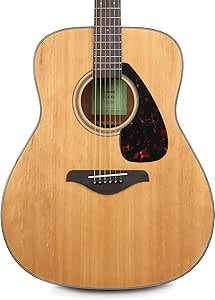
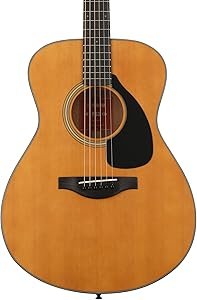
Martin’s model naming is worth explaining, because it is the whole of what this listing tells a buyer about the guitar. The part before the hyphen describes the body size, and 000 is the size Martin calls the Auditorium: smaller and narrower waisted than a dreadnought, with a more focused voice and a body that many players find more comfortable to hold while seated. The number after the hyphen describes the appointment style, and within Martin’s range a higher style number indicates a more elaborate specification. Buyers comparing steel string acoustics at other levels should look at the Yamaha FG800 and the Yamaha FS3 Red Label.
Body Size and What the 000 Shape Changes
Body size is the most audible variable in an acoustic guitar after the strings themselves, and it is a choice rather than a hierarchy. A dreadnought has a larger air volume and a broader lower bout, which produces more low frequency output and more volume, and which is why it became the standard for strumming accompaniment and bluegrass. A smaller Auditorium body trades some of that volume and low end for a more even balance across the strings and a clearer response to individual notes.
That balance is why the 000 shape is associated with fingerstyle playing and with recording. A guitar that does not overwhelm its own midrange is easier to record cleanly and easier to hear alongside a voice. It is also a more comfortable instrument for a smaller player or anyone who finds a dreadnought’s depth awkward. Players who want to hear how the same maker’s smaller and larger bodies compare will find alternatives in the steel-string acoustics category.
Recording an Acoustic Guitar
Because a guitar of this class is bought as much for recording as for playing, the microphone in front of it matters nearly as much as the instrument. Acoustic guitars are usually captured with a condenser microphone rather than a dynamic, because a condenser’s higher sensitivity and extended high frequency response capture string detail that a dynamic microphone rounds off. Position matters as much as the microphone: aiming at the sound hole produces a boomy result, while aiming at the point where the neck joins the body usually gives a more balanced capture.
Readers planning to record should look at the Audio-Technica AT2035, which covers a large diaphragm condenser suited to this job, and at the AKG P120 for a studio option. A guitar at this level rewards a decent signal chain and reveals the shortcomings of a poor one. The wider vocal and instrument microphone section covers the microphone options available across the site.
Ownership, Care and Humidity
A solid wood acoustic guitar is a piece of furniture that responds to its environment, and this is the single most important thing a new owner needs to understand. Wood absorbs and releases moisture with the surrounding air, and an instrument kept too dry will develop a sunken top, sharp fret ends and, in bad cases, cracks. Kept too humid, the top swells and the action rises. The remedy is a case humidifier and a hygrometer, and the target range is a matter of settled consensus among instrument builders and repairers.
The other ownership costs are a proper setup, periodic string changes and, over years, fret work. A guitar bought online arrives having traveled through whatever conditions the shipping route provided, and a setup by a competent technician on arrival is money well spent. None of this appears in the retail listing, and all of it applies.
Highlights
- Martin Standard Series model, described in the listing as hand built.
- 000 Auditorium body size, smaller and more balanced than a dreadnought.
- Natural finish, the plainest and most traditional option in the range.
- Body shape suited to fingerstyle playing and to recording alongside a voice.
- Comfortable proportions for seated playing and for smaller players.
- Part of a long running series with an established repair and parts network.
Things To Consider
The retail listing for this guitar publishes no specification block whatsoever. There is no information on the top, back and side woods, no scale length, no nut width, no neck profile, no fingerboard material, no bracing pattern, no electronics and no confirmation of whether a case is included. For an instrument at this level, every one of those affects both the sound and whether it suits a particular player’s hands, and the nut width in particular is a make or break detail for many fingerstyle players. Nothing in this review invents those figures. Buyers should obtain the full specification from Martin’s own documentation or from an authorized dealer before purchase.
Two further cautions apply. First, this is a high value instrument, and buying one sight unseen means accepting the setup, the finish and the feel as they arrive. Instruments vary individually even within the same model, far more than mass produced electronics do, and most experienced buyers prefer to play a specific example before committing. Second, the listing title is written in the plural, describing Martin Standard Series acoustic guitars generally rather than one configuration, which suggests the listing may cover multiple variants. Buyers should confirm exactly which model and finish will ship.
It is also worth noting that this product sits in an audio equipment catalog. It is not off topic for the instrument section of the site, but readers browsing for listening gear will find nothing here that relates to playback.
Who Should Buy It, and Who Should Not
This suits an experienced player who already knows they want a 000 body and a Martin, who has verified the specification independently, and who is prepared to arrange a setup on arrival. For a fingerstyle player or a singer songwriter, the Auditorium body is a well established choice.
It does not suit a beginner, who will be better served by a far less expensive instrument while learning what they actually prefer, and it does not suit a buyer who needs the specification sheet before deciding, because this listing does not contain one. Players starting out should look at the entry level options in the acoustic guitars category instead.