


Description
What the AKG P120 Is
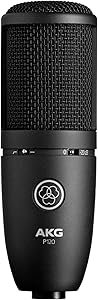
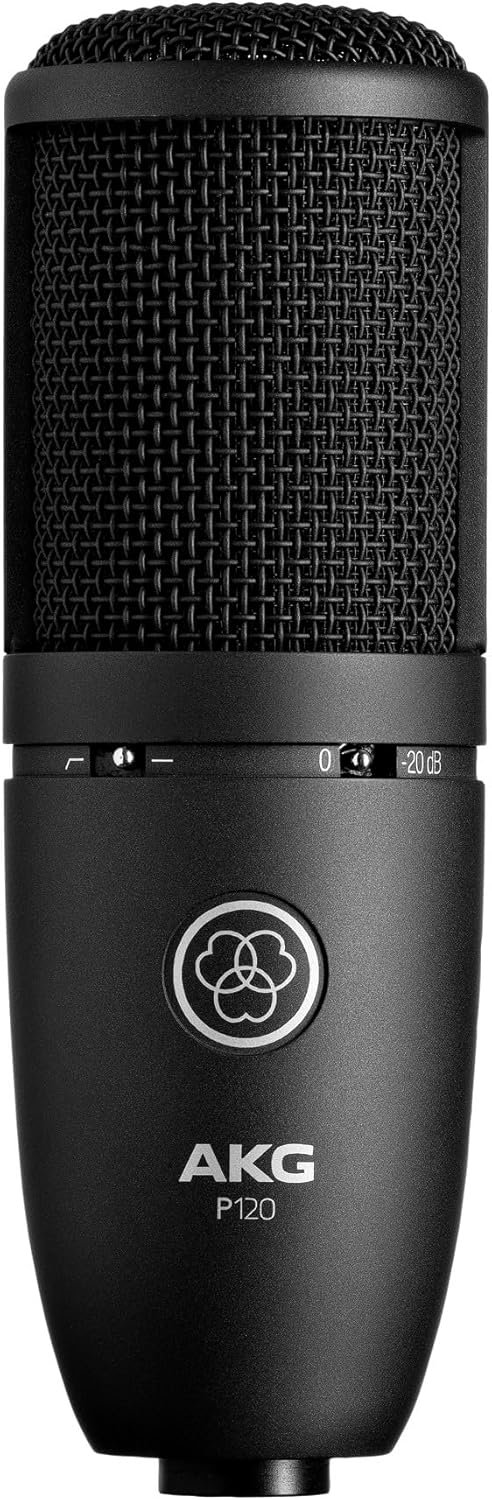
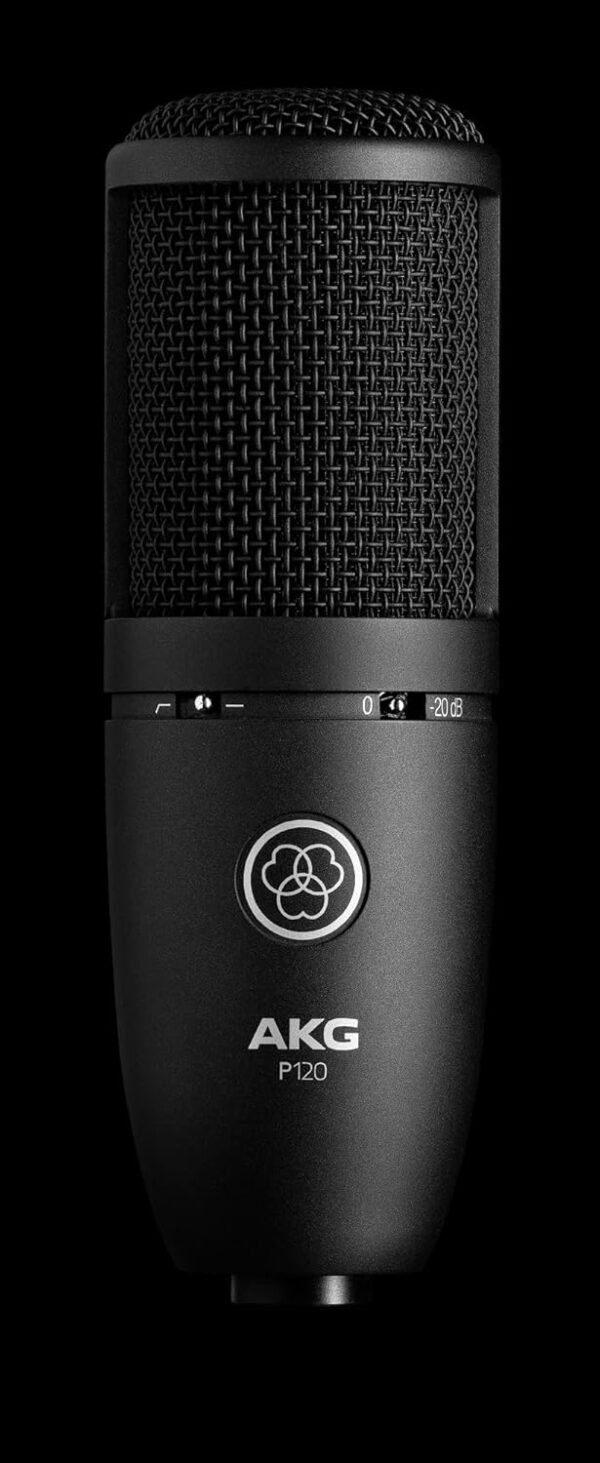
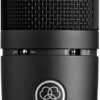
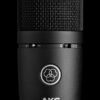
The AKG P120 is a condenser microphone from the AKG Project Studio line, positioned as a general purpose studio microphone for vocals and instruments. AKG has been making capsules for broadcast and recording since the 1940s, and the P series is the company’s entry point: designs intended to bring a recognizable studio sound into home and project studios without professional pricing. The listing dates this model to July 2014 and ranks it 69th in multipurpose condenser microphones and 2,478th across musical instruments, which indicates a steady seller rather than a novelty.
Condenser microphones differ from dynamic microphones in how they convert sound. A condenser uses a thin diaphragm very close to a charged backplate, which makes it far more sensitive and much better at capturing high frequency detail than a dynamic capsule. The consequence is that a condenser also picks up the room, the computer fan and the traffic outside. That trade off is the single most important thing to understand before buying one. Anyone recording in an untreated room may get better results from a dynamic microphone such as the Shure MV7X.
Stated Specifications
The listing gives a frequency range of 20 Hz to 20 kHz, one channel, a noise level of 19 dB and an audio sensitivity value of 26 dB. Noise level is the more meaningful of those figures: it describes the microphone’s own self noise, the hiss it produces with no sound present, and a lower number is better. Nineteen decibels is a reasonable figure for a microphone at this level, quiet enough for spoken word and close vocals though audible on very quiet sources recorded at high gain.
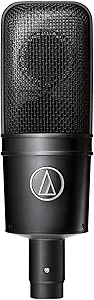
Physical details are given as 10.6 ounces in weight with dimensions of 9.4 by 7.4 by 3.5 inches, which describes the boxed product rather than the microphone body. The finish is black. What the listing does not provide is the polar pattern, the maximum sound pressure level, the diaphragm size or the output impedance. Polar pattern in particular is fundamental, since it determines what direction the microphone hears from, and its absence here is a real gap. Buyers comparing options with fuller documentation will find it on models such as the Audio-Technica AT2035 and the Audio-Technica AT4040.
What Is Needed To Use It
This is an XLR microphone rather than a USB one, which has consequences for setup. A condenser capsule needs phantom power, normally 48 volts, supplied over the XLR cable by an audio interface or mixer. The listing never mentions phantom power, which is a significant omission, because a buyer who plugs this into a device that cannot supply it will get no signal at all and reasonably conclude the microphone is faulty. An interface, a cable and usually a stand and a pop filter are all required before the microphone can be used.
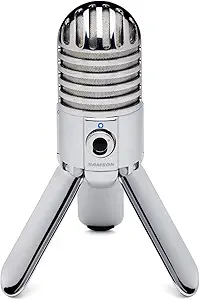
That additional outlay is the main practical difference between an XLR condenser and a USB microphone. The compensation is flexibility: an XLR microphone can be used with any interface, mixer or preamp, now or in ten years, and it can be upgraded around. A USB microphone such as the Samson Meteor Mic plugs straight into a laptop and works, at the cost of being tied to that one path. Buyers should decide which of those matters more before choosing.
Highlights
- Condenser capsule with the detail and sensitivity that implies, from an established microphone manufacturer.
- Stated frequency range of 20 Hz to 20 kHz across a single channel.
- Listed self noise of 19 dB, low enough for spoken word and close vocals.
- XLR connection, so it works with any interface, mixer or preamp.
- Part of the AKG Project Studio range rather than a generic import.
- Long running model, first listed in July 2014 and still selling steadily.
Things To Consider
Several fields in this listing are wrong or unusable. The microphone form factor is given as handheld, which does not describe a side address studio condenser intended for a stand and a shock mount. The signal to noise ratio is given as 2E plus 1 dB, scientific notation for 20 dB, which is not a credible signal to noise figure for any studio microphone and appears to be the self noise value entered in the wrong field. The frequency response is listed as a single value of 20 KHz rather than a range, duplicating information already present elsewhere on the page.
The larger issue is what is missing. There is no polar pattern, no maximum sound pressure level, no diaphragm size, no statement of what is in the box, and no mention of the phantom power requirement. Those five items are the standard checklist for buying a studio microphone, and none of them can be answered from this page. A buyer should consult the AKG datasheet before ordering, particularly to confirm whether a shock mount or stand adapter is included.
On use, the condenser characteristics cut both ways. High sensitivity captures detail but also captures room reflections, keyboard noise and heating systems, so a treated or at least soft furnished space makes a substantial difference. A pop filter is effectively mandatory for close vocals. And a condenser is more fragile than a dynamic microphone: humidity and rough handling both shorten its life, which is why dynamic microphones remain the default for live use. Anyone recording drums or guitar cabinets should also look at the instrument microphone options, which are built for higher sound pressure levels.
Who It Suits
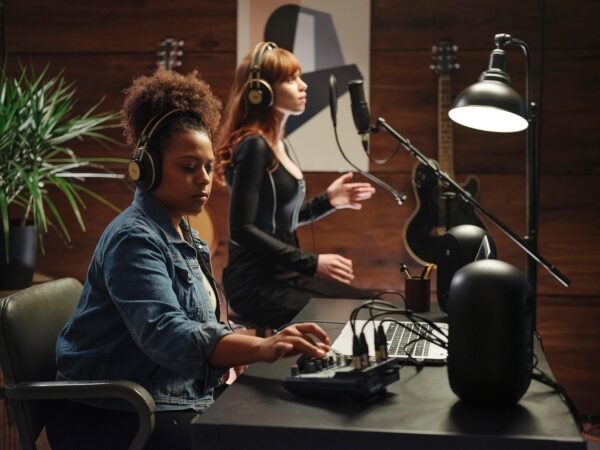
The P120 suits a home or project studio owner who already has an audio interface with phantom power, who records vocals, acoustic guitar or similar sources in a reasonably controlled room, and who wants a recognizable brand rather than an unbranded capsule. The XLR connection makes it a component that will still be useful after the rest of the studio changes around it.
It is not the right choice for someone with no interface who wants to plug into a laptop and start recording, for streaming in a noisy room, or for live vocal use on stage. Those buyers should look at USB options and dynamic microphones in the vocal microphones category, including the Shure MV88+ for portable recording.