Description
What the FG800J NT Is
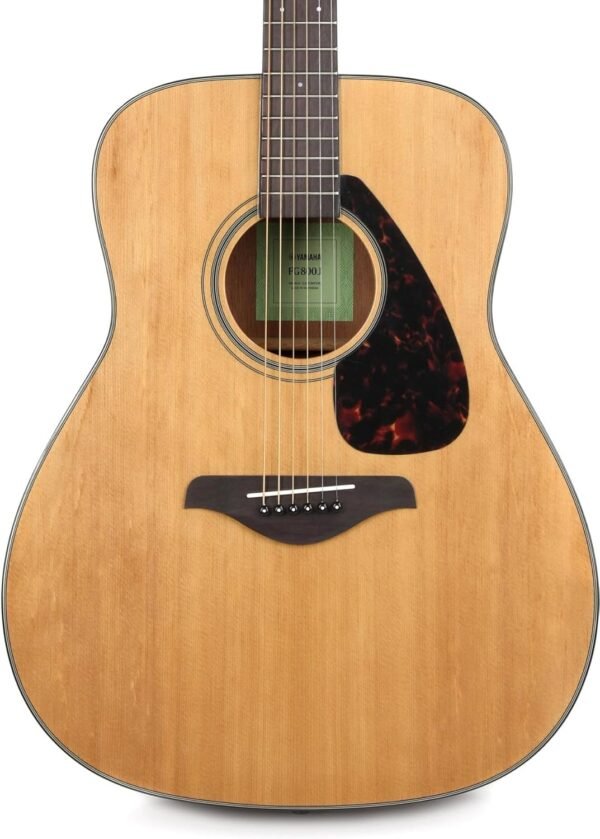
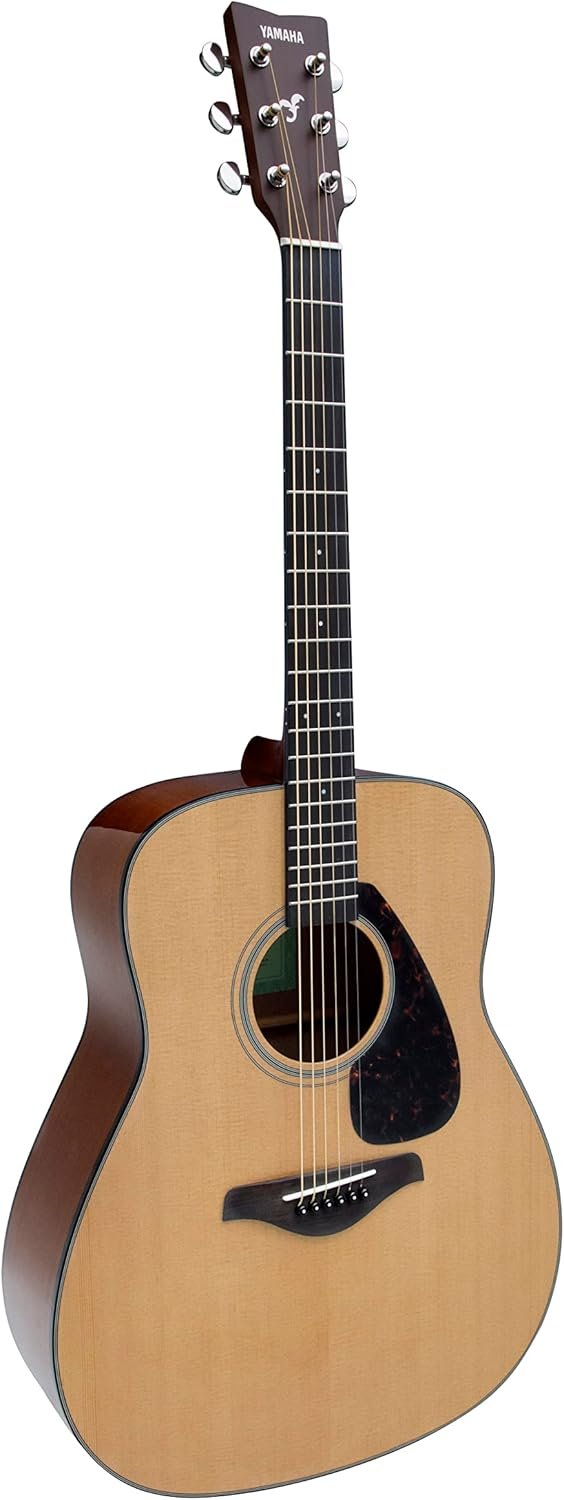
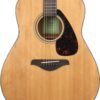
The Yamaha FG800J NT is a six string dreadnought acoustic guitar in a natural finish, and it sits in the FG line that Yamaha has been building since the 1960s. The FG series occupies a specific place in the market: it is the guitar most commonly recommended to a beginner who wants an instrument that will still be worth playing in five years, rather than a starter guitar that gets replaced within one. When this listing data was captured it was ranked second in the Steel-String Acoustic Guitars subcategory and 488th across all musical instruments, which indicates sustained volume rather than a brief promotional spike.
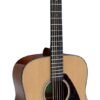
A dreadnought is the large bodied shape most people picture when they think of an acoustic guitar. It produces more volume and more low end than smaller shapes, which suits strumming and campfire playing, and it is physically bigger, which suits some players and not others. Anyone unsure between body shapes should compare this against the smaller concert bodied Yamaha FSX800C, which is the same family in a more compact form.
Woods and Construction
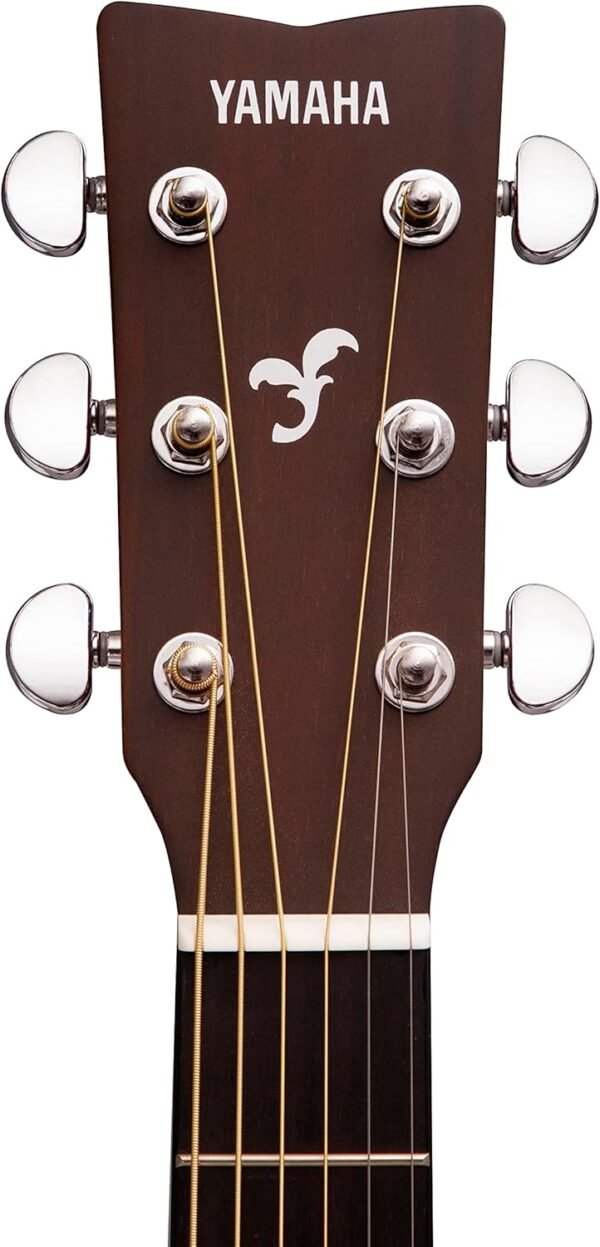
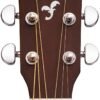
The listing specifies a spruce top, a rosewood fretboard, a nato wood neck and phosphor bronze strings, with a fixed bridge and six strings. Spruce is the standard soundboard material on steel string acoustics because it is stiff for its weight, which lets the top move freely and project. Rosewood remains the traditional fretboard choice for its density and feel under the fingers. Nato is a hardwood used widely as a mahogany substitute in guitar necks, chosen for stability and cost rather than for tone.
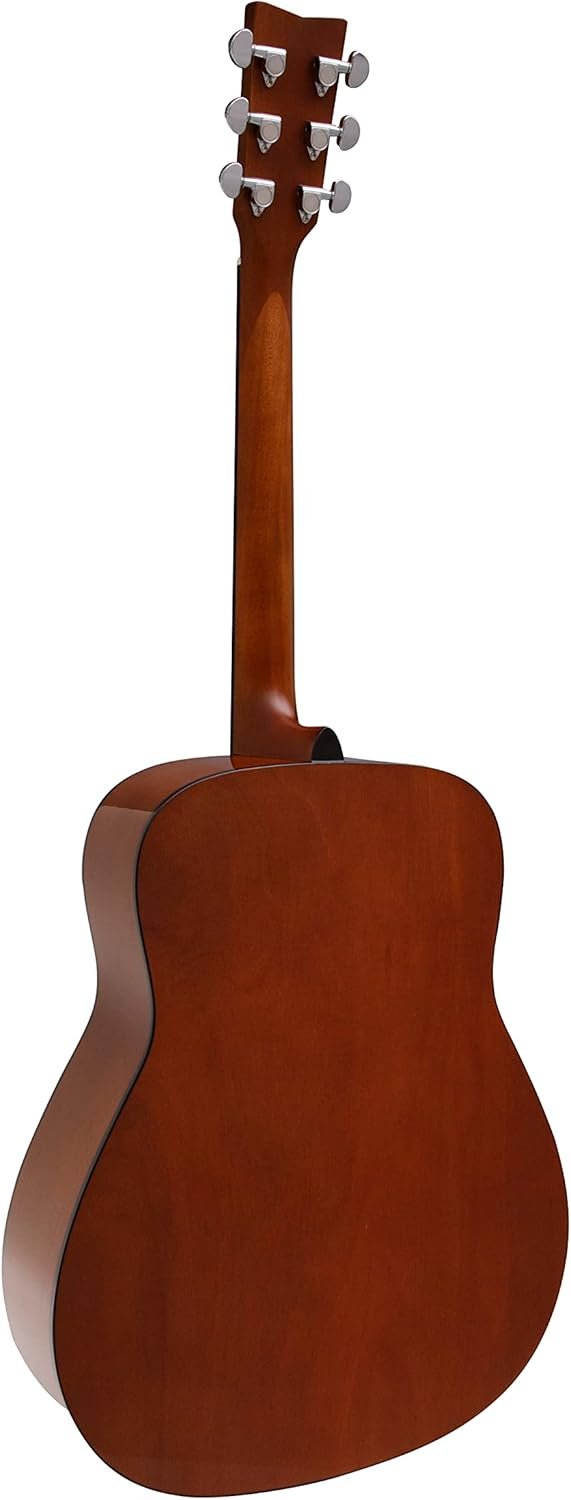
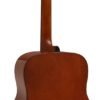
The body wood is where this listing becomes contradictory. The body material is given as mahogany, the back material is given as rosewood, and a combined material list names spruce, mahogany, nato and rosewood together without saying which part is which. Those cannot all be true simultaneously, and the difference between a rosewood back and a mahogany back is audible and affects price. Buyers who care about the specific tonewood should confirm it with Yamaha before ordering rather than relying on this page. The same caution applies to the top: the listing says spruce but never states whether it is solid or laminated, which is arguably the single most important construction detail on an acoustic guitar at this level.
Size, Weight and Playability
Weight is given as 5.07 pounds with package dimensions of 40.51 by 16.22 by 4.65 inches, which is consistent with a standard dreadnought in a shipping carton. Yamaha does not publish the scale length, nut width or neck profile in this listing, and those three numbers determine how a guitar feels more than any of the woods do. Nut width in particular matters to players with larger or smaller hands, and to fingerstyle players who need string spacing.
The finish is listed as natural, which is the plain lacquered look that shows the grain of the top rather than a stained or sunburst treatment. Nothing in the listing indicates an onboard pickup or preamp, so this should be treated as a purely acoustic instrument. Players who need to plug in should look at the acoustic electric options in the acoustic guitars category instead.
Phosphor bronze is worth a note of its own, because it is a consumable rather than a construction choice. It is the standard modern acoustic string alloy, valued for a warmer response than plain bronze and for holding its tone a little longer before oxidation dulls it. Strings on a new guitar have usually been on the instrument for some months by the time it reaches a buyer, so fitting a fresh set is the cheapest and most immediate improvement available on any acoustic in this class.
Highlights
- Dreadnought body shape, the loudest and fullest of the common acoustic sizes.
- Spruce top with a rosewood fretboard and nato neck.
- Six strings in phosphor bronze, with a fixed bridge.
- Natural finish that shows the grain of the soundboard.
- Listed weight of 5.07 pounds.
- Part of the long running Yamaha FG line rather than a short lived model.
- Strong subcategory ranking at the time this listing data was captured.
Things To Consider
The listing contradicts itself on the back and side wood, giving both rosewood and mahogany in different fields, and it never states whether the spruce top is solid or laminated. Both points affect what the guitar is worth and how it will sound as it ages, since a solid top opens up over years of playing while a laminated one does not change appreciably. A buyer should treat this listing as incomplete on construction and verify with the manufacturer.
There is also no case, no gig bag, no strap, no tuner and no spare strings mentioned in the listing, so a first time buyer should budget for those separately. A dreadnought without a case is vulnerable in transit and to changes in humidity, and humidity control is the main reason inexpensive acoustics develop problems in their first few years.
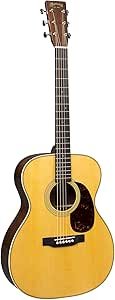
On playability, factory setups on guitars in this price range vary. Action height, fret ends and intonation are all things a setup at a local shop can improve considerably, and that cost should be factored in for a beginner who has no way to judge whether an instrument is fighting them. The dreadnought body is also physically large; younger players and smaller adults often get on better with a concert or parlor size, which is worth considering before committing. Those comparing further up the range will find the Martin 000-28 a useful reference point for what greater outlay buys.
Who It Suits
The FG800J NT suits a beginner or returning player who wants a full sized, full sounding acoustic from a manufacturer with a long track record, and who is willing to add a case and a setup to the purchase. The dreadnought shape favors strumming and singing accompaniment, and the FG line has a decades long reputation for holding up to daily use.
It is less suitable for a small framed player, for anyone who needs to plug into a PA, and for a buyer who wants the tonewood construction documented precisely before purchase. Those looking within the same brand should compare the Yamaha Red Label FS3 and the nylon strung Yamaha C40II, or browse the wider steel string acoustics selection.