
Description
What the Focal Listen Professional Is and Who It Suits
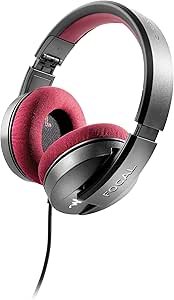
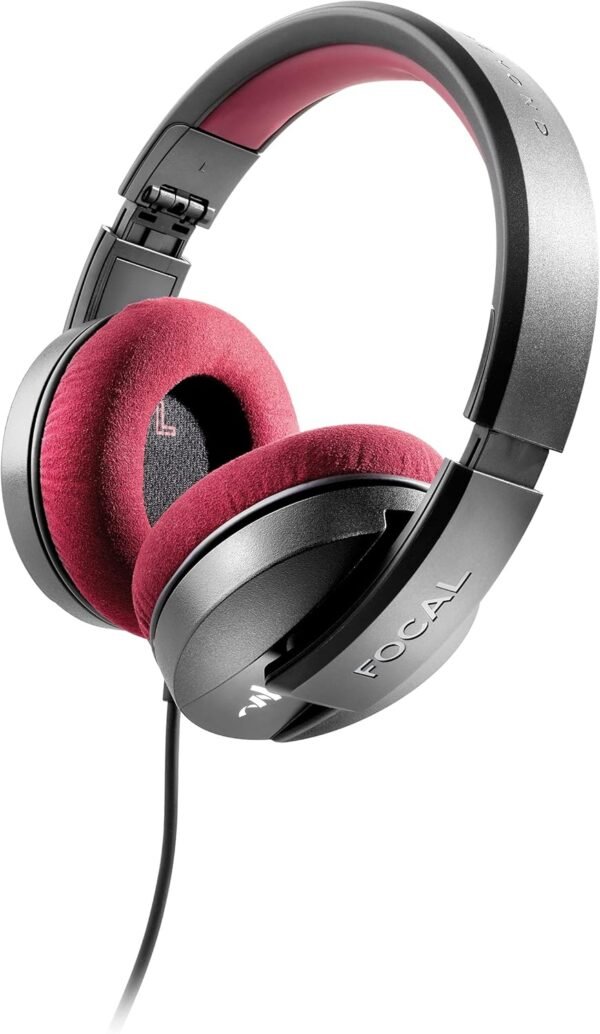
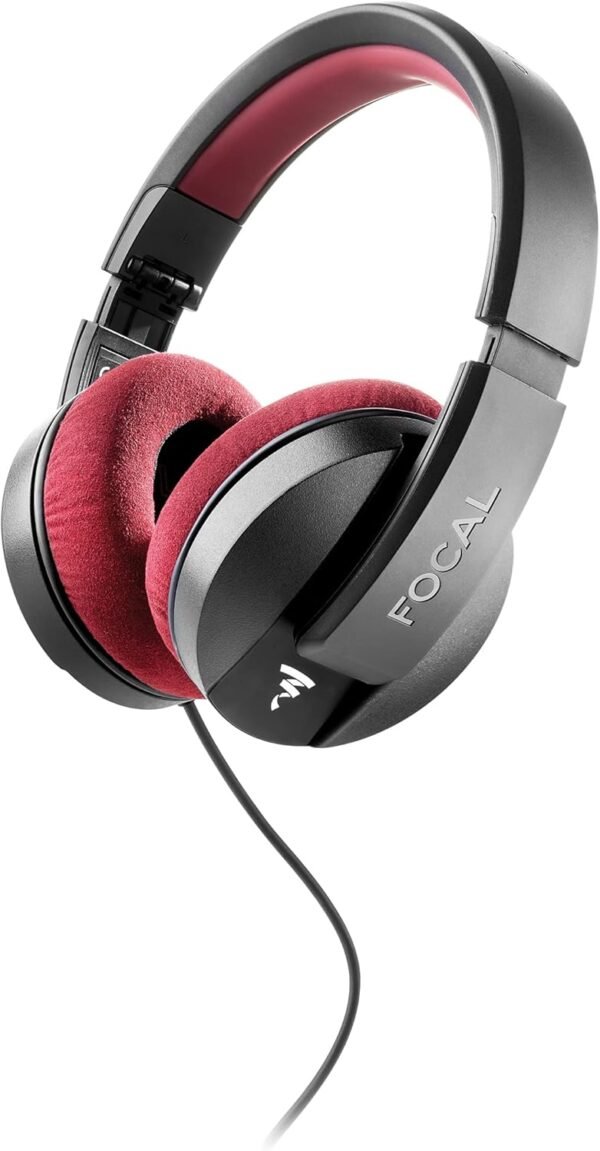
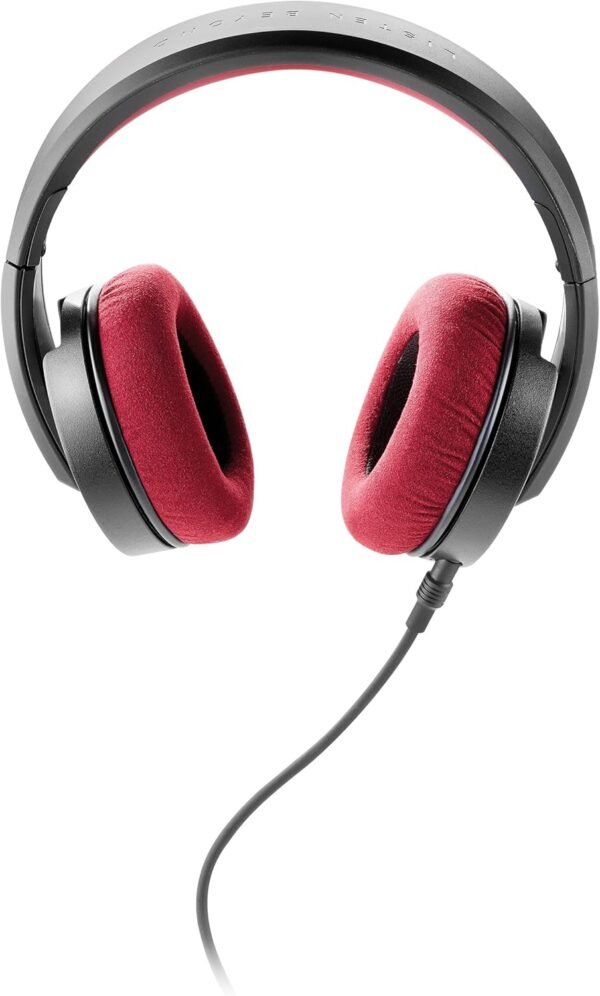
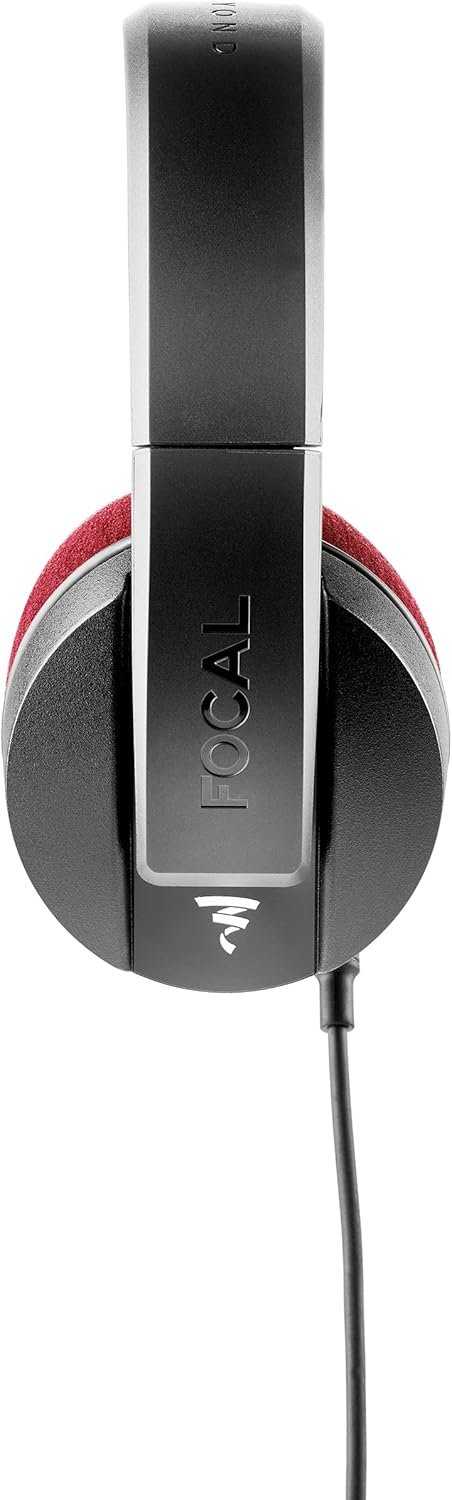
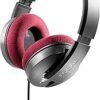
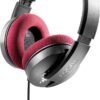
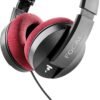
The Listen Professional is Focal’s closed back monitoring headphone, aimed at studio and location work rather than casual listening. Focal is a French loudspeaker manufacturer with a long history in drive unit design, and the Listen Professional sits in its professional range alongside larger studio models. The listing is extremely sparse, consisting of five short marketing bullets with no manufacturer description and no specification table at all, so much of what a buyer needs to know is simply absent from this page.
The buyer this suits is an engineer, producer or content creator who needs closed back headphones for recording sessions, editing away from monitors, or checking mixes on location. Closed back designs isolate in both directions, which is what allows a headphone to be worn in the same room as a live microphone without bleed. Anyone listening for pleasure at home would be better served by an open back design such as the FiiO FT3, which trades isolation for a wider presentation.
Focal’s Cone Technology and the Neutrality Claim
Focal describes an exclusive cone technology offering acoustic transparency and dynamics. The company builds its reputation on driver materials, and its loudspeaker range has long used distinctive cone construction, so the claim is consistent with what Focal actually does as a manufacturer. What the listing does not do is say what the material is, what the driver diameter is, or how the technology differs from a conventional dynamic driver.
The stated goals are precision and neutrality with total control over the audio spectrum. Neutrality is the correct objective for a monitoring headphone: a mix decided on coloured headphones will sound wrong everywhere else. Whether these headphones achieve it is not something a product listing can establish, and no measurement data appears anywhere in the product record.
This is the honest position on this product. Focal makes a serious claim about a serious design goal, and the listing provides no evidence to evaluate it. Anyone making purchasing decisions on measured performance should seek out independent measurements rather than relying on this page.
Isolation and Closed Back Design
Focal lists excellent isolation as a feature, and closed back construction is what delivers it. A sealed earcup blocks outside sound from reaching the listener and blocks the headphone’s output from escaping into a live microphone. That second property is why closed back headphones dominate tracking sessions, and it is the practical reason to choose this design over an open back alternative.
The tradeoff is well understood. Sealed cups tend to produce a narrower sense of space than open backs and can build up heat over long sessions. Comparable closed back monitoring options include the Sennheiser HD 280 Pro and the Moondrop Joker, both of which publish more specification detail than this listing does.
Comfort, Case and Practical Use
Focal states optimal comfort, which is a claim rather than a specification. The listing gives no weight, no clamping force, no earpad material and no headband description, all of which determine whether a headphone is wearable across a long session. Comfort is also the most individual characteristic of any headphone, and no listing claim substitutes for trying a pair.
The compact rigid carrying case is the one concrete practical inclusion. A hard case matters for headphones that travel between rooms or to location shoots, and it signals that Focal expects these to be moved rather than left on a stand. Rigid protection is meaningfully better than the soft pouch supplied with many competing models.
What the listing does not state is substantial and worth enumerating: there is no impedance figure, no sensitivity rating, no frequency response, no driver size, no cable length, no information on whether the cable is detachable, no weight and no indication of whether replacement earpads are available. Impedance and sensitivity together determine what will drive these headphones adequately, and their absence makes source matching guesswork. Detachable cables and replaceable pads are the two factors that most determine how long a professional headphone survives, and neither is confirmed here.
There is also no customer rating data in the product record, so there is no owner feedback signal at all.
Highlights
- Closed back design providing isolation in both directions for tracking work.
- Focal driver technology, from a manufacturer with genuine expertise in cone design.
- Stated design goals of precision and neutrality rather than an enhanced signature.
- Rigid carrying case included, suited to headphones that travel.
- Professional positioning within Focal’s own range rather than a consumer product.
- Compact form factor for location and mobile work.
Things To Consider
The listing publishes no specifications whatsoever. Impedance, sensitivity, frequency response, driver size and weight are all missing, which makes it impossible to assess amplifier requirements or to compare against alternatives on paper.
There is no customer rating data, so there is no owner feedback to draw on either. That combination leaves a buyer relying entirely on brand reputation.
Whether the cable is detachable and whether earpads are user replaceable are unknown. Both are the components that fail first on professional headphones, and both determine whether the product lasts years or months.
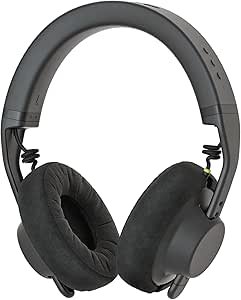
Closed back monitoring headphones are a specialist tool. They are not the best choice for enjoying music, and buyers should not treat a neutrality claim as a promise of an enjoyable listening experience. Anyone comparing across the over-ear headphones category should look at listings with fuller documentation, such as the Audio-Technica ATH-M30x or the modular AIAIAI TMA-2 Studio.
Who Should Buy It and Who Should Not
The Listen Professional makes sense for an engineer or creator who already knows Focal’s house sound, needs closed back isolation for tracking, and values a rigid case for transport. Focal’s driver engineering credentials are real, and the professional positioning is not marketing invention.
It is a difficult recommendation for anyone buying on specifications, because this listing publishes none. It is also the wrong product for casual home listening, where open back designs are more rewarding, and for anyone who needs to know before purchase what will drive the headphones adequately.