

Description
What the FiiO FT3 Is and Who It Suits
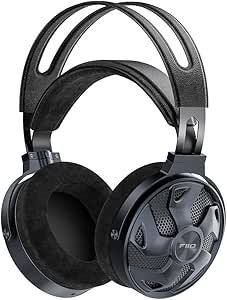
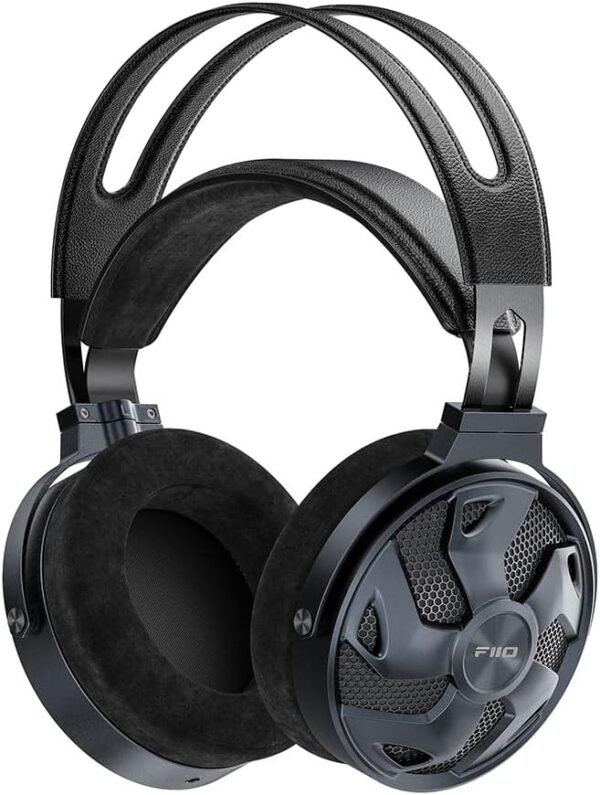
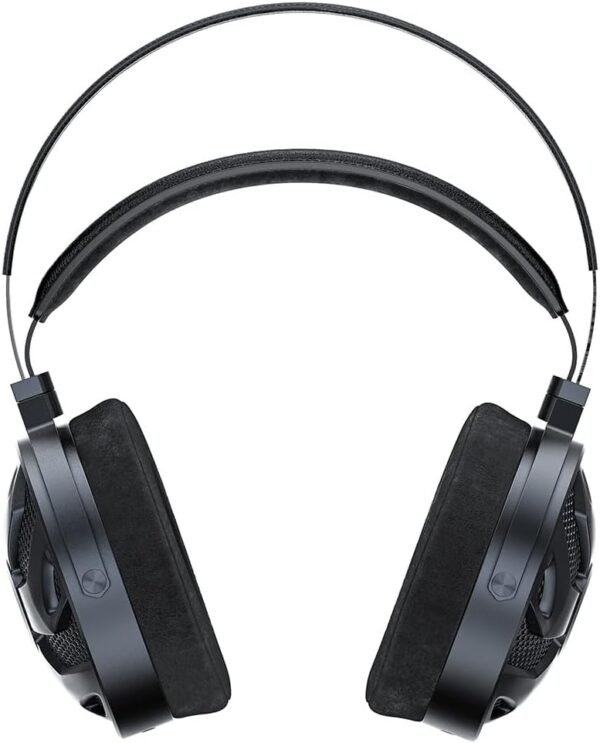
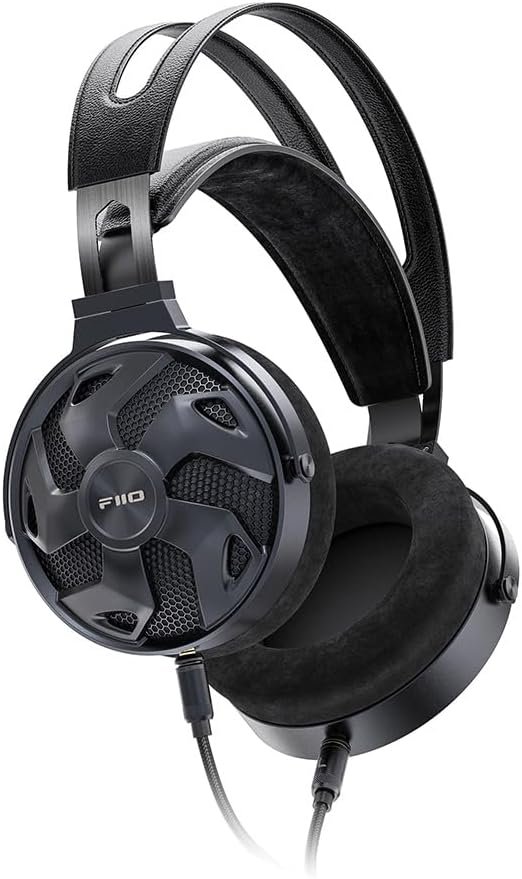
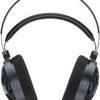
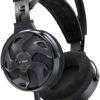
The FiiO FT3 is a full size wired headphone built around a 60 mm dynamic driver. FiiO’s listing title describes it as a HiFi studio headphone in a 32 ohm version, with over-ear and open-back construction and connection options covering 3.5 mm single ended, 4.4 mm balanced and 6.35 mm. The specification sheet gives a frequency range of 7 Hz to 40 kHz, a sensitivity figure of 110 dB, aluminum construction and an aluminum alloy carrying case in silver. The model first became available in June 2023.
The intended buyer is someone assembling a wired listening chain rather than someone shopping for a travel headphone. FiiO makes digital to analog converters and headphone amplifiers alongside its headphones, and the FT3 is designed to sit at the end of that chain. Recommended Uses For Product is given simply as Music Listening. Readers looking at the same brand in a smaller format should compare the FiiO FF3, and those building the source end of the chain will find the FiiO K9 Pro desktop amplifier a natural partner.
The 60 mm Driver and the 32 Ohm Rating
A 60 mm dynamic driver is large even by full size headphone standards, and the listing records it as 6E+1 millimeters in scientific notation. A larger diaphragm moves more air for a given excursion, which generally helps low frequency authority and reduces distortion at high output. The trade is mass: a bigger diaphragm is heavier and harder to control, which is why large driver designs depend heavily on the magnet system and the suspension rather than on size alone.
The 32 ohm rating is the more practically useful number. FiiO sells the FT3 in more than one impedance, and 32 ohms is the version that works from a wider range of sources, including a portable dongle. Combined with a listed sensitivity of 110 dB, this suggests a headphone that reaches usable volume without a large desktop amplifier, although a better amplifier still improves control at the frequency extremes. A portable option such as the FiiO KA13 dongle covers that use case, while a desktop unit does the same job with more power on tap.
Connection Options and Balanced Output
The listing title names three terminations: 3.5 mm, 4.4 mm and 6.35 mm. That combination covers phones and portable players, balanced outputs on modern portable and desktop amplifiers, and the quarter inch jack found on studio interfaces and older equipment. Supplying the connections in the box removes the need for adapters, which is a real convenience and one that not every manufacturer bothers with at this level.
The 4.4 mm balanced option deserves a note. Balanced connection separates the ground return for each channel, which can reduce crosstalk and, on many amplifiers, delivers more voltage swing into the headphone. Whether that produces an audible difference depends far more on the amplifier design than on the connector itself, so buyers should treat the balanced option as useful flexibility rather than as an automatic improvement. Listeners comparing this to other reference class wired headphones should look at the HiFiMan Susvara and the Sennheiser HD series.
Build, Materials and the Open-Back Question
Material is listed as Aluminum, with an aluminum alloy carrying case in silver. Metal construction adds durability and helps with cup rigidity, which matters because a resonant cup colors the sound. Earpiece Shape is given as Over Ear, and the case is a meaningful inclusion for a headphone in this class, since large headphones are awkward to store safely.
There is a genuine ambiguity in the source data about the acoustic design. The listing title describes the FT3 as over-ear and open-back, while the specification sheet records Noise Control as None and says nothing about back venting. An open-back headphone leaks sound in both directions by design, which rules it out for office use, shared spaces and any recording where a microphone is live nearby. Buyers who need isolation should assume this headphone does not provide it, and look at closed designs across the over-ear headphones selection instead. Anyone driving a headphone like this from a desktop stack will find relevant options in the amplifiers category.
Highlights
- 60 mm dynamic driver, large for a full size headphone.
- 32 ohm version, easier to drive than high impedance alternatives.
- Listed frequency range of 7 Hz to 40 kHz with 110 dB sensitivity.
- 3.5 mm, 4.4 mm balanced and 6.35 mm connection options named in the listing.
- Aluminum construction with an aluminum alloy carrying case included.
- Carries a 4.2 star rating across 99 ratings on the source listing.
Things To Consider
Start with the category placement, because it is wrong. This product sits in the earbud section of the catalog, but it is a full size over-ear headphone with a 60 mm driver. The source listing itself ranks it in both Over-Ear Headphones and Earbud and In-Ear Headphones, so the confusion originates upstream. Readers should treat it as an over-ear model.
The specification block has further problems. Frequency Response is listed as a single value of 7 Hz, which is the lower bound of the 7 Hz to 40 kHz range recorded elsewhere on the same sheet rather than a response figure. Cable Feature is listed as Retractable, which no audiophile headphone cable is. Control Method is given as Touch and Control Type as Volume Control, on a passive wired headphone with no electronics at all. Item Weight is given as 2.2 pounds and Product Dimensions as 11.4 x 9.8 x 5.7 inches, both of which describe the shipping package rather than the headphone. Specific Uses For Product contains an unconverted character string rather than readable text.
Practical limitations remain even after the data is set aside. A stated range extending to 40 kHz says nothing useful about tonal balance, since it carries no tolerance figure. There is no active noise cancellation, no wireless mode and no microphone. With 99 ratings behind the score, the long term reliability picture is thin. And a large aluminum headphone is heavy on the head, though the listing does not publish the actual headphone weight to confirm how heavy.
Who Should Buy It, and Who Should Not
The FT3 suits a listener building a wired home setup who wants a large driver headphone with balanced connection options included in the box, and who already owns or plans to buy a competent source. The 32 ohm version in particular suits someone who wants to use the same headphone from a portable dongle and a desktop amplifier.
It does not suit commuters, office workers or anyone who needs isolation, since the listing describes an open-back design. It also does not suit a buyer who needs published impedance curves, weight and response tolerances before committing, because this listing does not supply them.