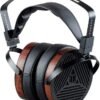
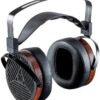
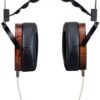
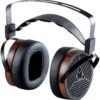
Description
What the Monolith M1060 Is
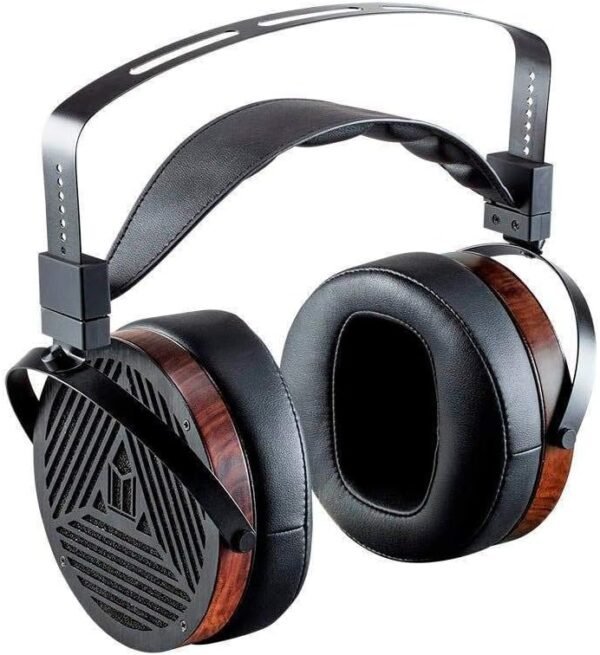
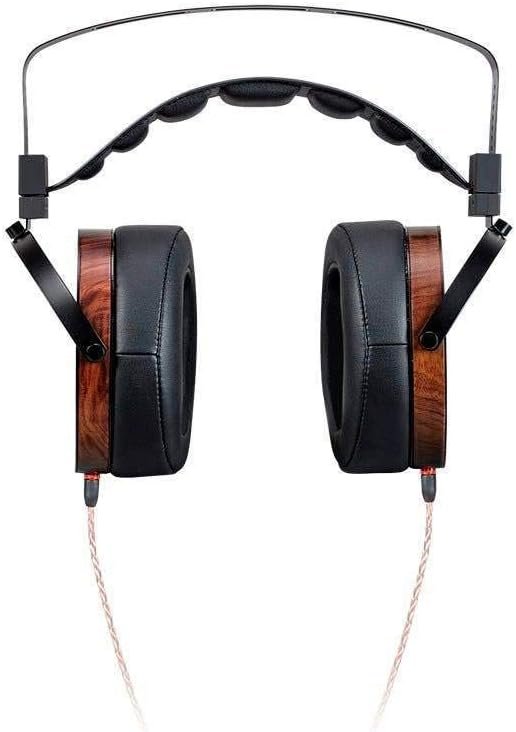
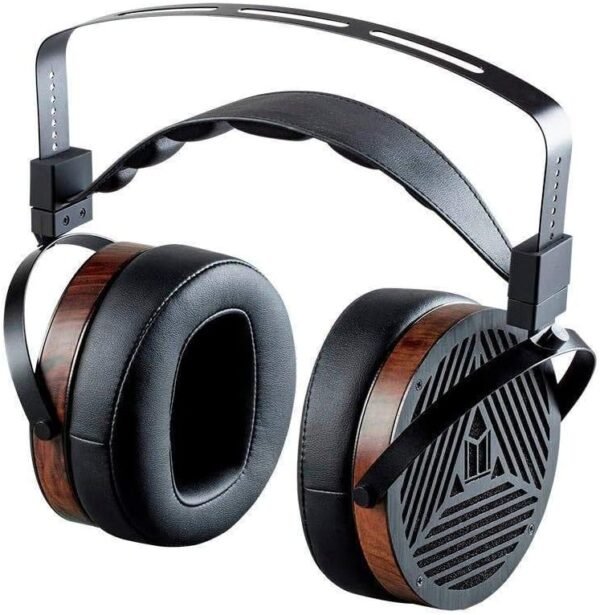
The Monolith M1060 is a wired, open back, over ear headphone built around planar magnetic drivers rather than the conventional dynamic drivers found in most headphones. Monolith is the in house audio brand of Monoprice, and the M1060 was one of the first attempts to bring planar magnetic technology down from specialist audiophile prices into something closer to mainstream reach. The listing gives the model number as 116050 and dates it to December 2016, which makes this a long running product rather than a recent release.
A planar magnetic driver works differently from a dynamic one. Instead of a cone driven by a voice coil at its center, a thin flat diaphragm with a conductive trace sits between arrays of magnets, and the whole surface is driven evenly. In principle that reduces the distortion that comes from a cone flexing under load. The trade offs are weight, cost and the amount of power the design needs. The listing states the driver type plainly but gives no impedance or sensitivity figure, which is unfortunate, because those are the numbers that determine whether the headphone will run from a phone or whether it needs help from something in the headphone amplifiers category.
Open Back Construction and Wood Cups
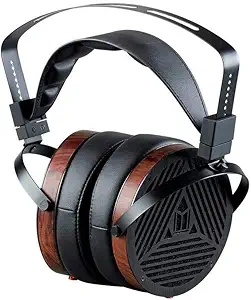
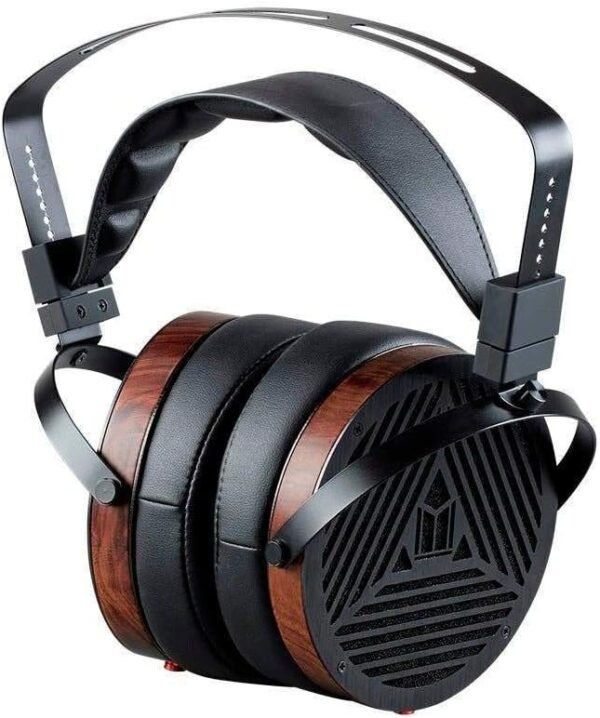
The listing describes the material as wood and gives the earpiece shape as rounded, fitting around the ear. Wooden cups on a planar magnetic headphone are partly aesthetic and partly acoustic, since the cup shape and material affect how the rear wave behaves even in an open design. Noise control is listed as none, which is the correct description for an open back: sound passes freely in both directions, so other people in the room hear what is playing and the listener hears the room.
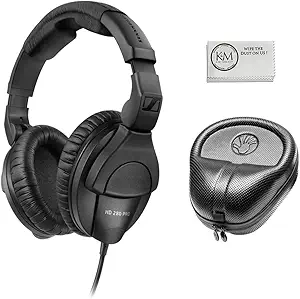
That construction is a deliberate choice rather than a shortcoming. Open back headphones are generally preferred for critical listening and mixing because the presentation is less closed in, and they are generally unsuitable for commuting, open plan offices or recording next to a live microphone. Anyone who needs isolation should look at a sealed design such as the Sennheiser HD 280 Pro instead, while listeners who want to stay with planar magnetic technology at the top of the market can compare the HIFIMAN SUSVARA.
Connection and Stated Measurements
Connectivity is given as wired with a 3.5 mm headphone jack, and the frequency range is stated as 20 Hz to 20,000 Hz, which is the standard audible range quoted on most headphone listings and carries little diagnostic value on its own without a tolerance figure. Product dimensions are given as 11.8 by 12.2 by 4.9 inches, which describes the retail package rather than the headphone itself. The included components field lists only headphones, with no case, no adapter and no spare pads specified.
What is absent is more informative than what is present. There is no impedance, no sensitivity in decibels per milliwatt, no driver diameter, no pad material and no cable length. For a planar magnetic design these matter more than they would for a typical consumer headphone, because planars are generally less efficient and more dependent on amplification. Buyers pairing this with a desktop source should look at something like the FiiO K9 Pro and confirm the impedance with Monoprice before assuming a laptop output will be enough.
Highlights
- Planar magnetic drivers rather than conventional dynamic drivers.
- Open back construction, listed with a noise control value of none.
- Wood earcups, with a rounded around the ear pad shape.
- Wired 3.5 mm connection with no battery and nothing to charge.
- Stated frequency range of 20 Hz to 20,000 Hz.
- Long established model, first listed in December 2016, and not marked as discontinued.
Things To Consider
This listing has no manufacturer description, no feature bullets and no images data behind it, only an attribute table, and several of those attributes do not match the product. The item weight is given as 4.2 ounces, which is around 120 grams and is not credible for a planar magnetic headphone with wooden cups and dual magnet arrays; headphones of this construction typically weigh several times that, and prospective buyers should treat comfort over long sessions as an open question rather than assume a light headphone. The cable feature is listed as retractable and the control type as media control with a remote, none of which belong on a passive audiophile headphone that has no electronics in it at all.
The practical caveats are inherent to the design rather than defects. An open back leaks sound in both directions, so this is a headphone for a quiet room and nothing else. Planar magnetic drivers are usually harder to drive than dynamic ones, so a phone or laptop output may not reach a satisfying level, and the listing does not give the numbers needed to work that out in advance. Weight and clamping force are the other two variables that decide whether a headphone of this type is comfortable for hours, and neither is documented here.
Finally, this is a 2016 design that has been superseded several times over within the wider over ear headphones market. That is not automatically a problem, since planar magnetic designs age well and there is no firmware to fall behind, but availability of replacement pads and cables for an older Monoprice product is worth checking before buying.
Who It Suits
The M1060 suits a listener who wants planar magnetic sound in a quiet home setting, who already owns or is willing to buy a capable headphone amplifier, and who values an open presentation over isolation. For someone building a desk based listening setup rather than a portable one, an open back planar is a sensible target, and the M1060 has been a long standing entry point into that technology.
It is the wrong headphone for travel, for office use, for recording, and for anyone who intends to plug straight into a phone. Buyers in those situations should look at closed back or wireless designs, and those who want a wired reference with better documented specifications should compare the FiiO FT3 before deciding.