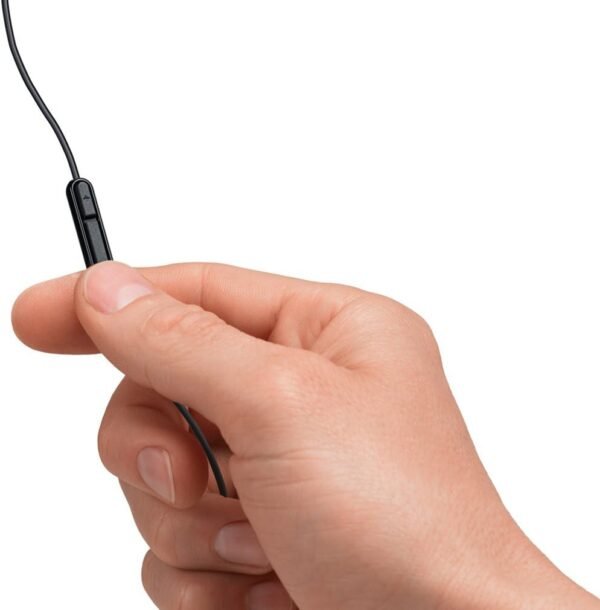
Description
What the QuietComfort 15 Is and Who It Suits
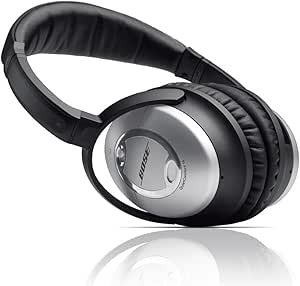
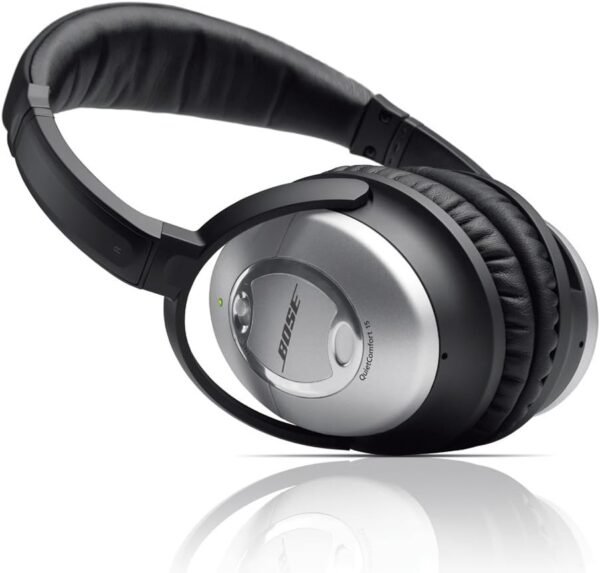
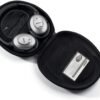
The Bose QuietComfort 15 is an around ear headphone built around active noise cancellation. QuietComfort is the product line that established the category for consumers, and the QC15 is one of the earlier models in that family, sitting between the original QuietComfort designs and the later wireless generations that followed. It is a wired headphone from an era before Bluetooth became standard on premium headphones.
The buyer this was designed for is a frequent flier or a commuter. Active cancellation is at its most effective against continuous low frequency noise, which is precisely what an aircraft cabin, a train carriage or an air conditioning system produces. It is far less effective against voices and sudden sounds. Readers looking at current alternatives should compare the Sony WH-1000XM3 and the Sony WH-CH710N, both of which represent the wireless generation that replaced designs like this one.
How Active Noise Cancellation Works and Where It Falls Short
The principle is straightforward. Microphones on the headphone sample the sound arriving at the ear, the electronics generate an inverted version of that signal, and the two cancel when they meet. It works well for steady, predictable, low frequency sound because there is enough time for the electronics to compute and inject the opposing signal before the sound reaches the eardrum. It works poorly for high frequencies, where the wavelengths are short and the timing tolerance is tiny, and for speech, where the signal changes too fast to predict.
That is why a cancelling headphone makes an aircraft cabin dramatically quieter while doing much less about a conversation at the next table. Understanding the limit prevents disappointment. It also explains why cancellation is combined with passive isolation from the earcup seal: the electronics handle the low frequencies and the physical seal handles the high ones. Buyers who want isolation without electronics should look at a well sealed closed back such as the Audio-Technica ATH-M30x.
The QuietComfort Design Approach
Bose built the QuietComfort line around a set of priorities that have stayed consistent across generations: low weight, low clamping force, and a soft around ear seal that can be worn for the length of a long flight. That combination is what earned the line its reputation, and it is worth being explicit that comfort rather than sound was the primary design target. The tuning across the QuietComfort family has generally favored a smooth, easy presentation over analytical detail.
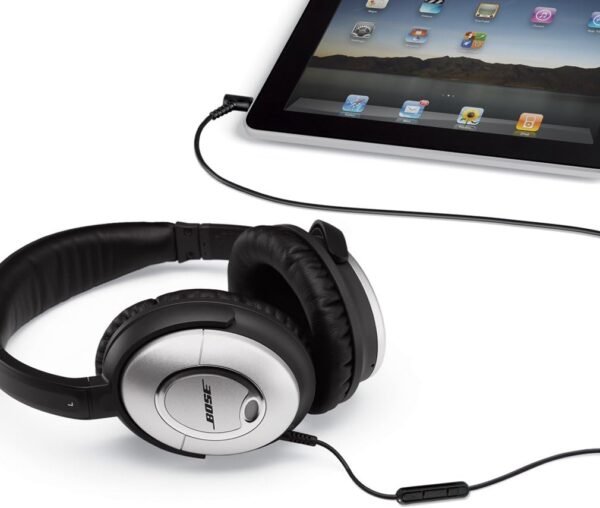
An earlier wired model like this one has one property the wireless generations lack: no Bluetooth codec sits between the source and the driver, so a wired connection to a good source removes a variable entirely. It also has an obvious drawback, which is that the cable must be plugged in. Anyone comparing the wired approach in a modern context can look at the Bose AE2.
Buying an Older Generation Model
There is a practical dimension to any purchase in this part of the market that a specification sheet does not cover. Headphones in this line have been produced across many years, and an earlier model raises questions a current one does not: whether replacement earpads are still available, whether the cable is a standard part or a proprietary one, what powers the cancellation circuit, and whether the unit on offer is new stock, refurbished or used.
Earpads in particular are consumable. The soft synthetic material used on comfort focused headphones degrades over a period of years whether or not the headphone is used, and a headphone with perished pads seals poorly, which reduces both the passive isolation and the effectiveness of the cancellation. Before buying an older model, it is worth confirming that replacement pads for that specific generation can still be obtained. Buyers who would rather not deal with any of this should look at current models in the over-ear headphones category.
Highlights
- Around ear closed design from the product line that popularized consumer noise cancellation.
- Active cancellation aimed at the steady low frequency noise of aircraft and trains.
- Comfort focused design with low clamping force for long wearing sessions.
- Wired connection, so no Bluetooth codec sits in the signal path.
- Part of a long running family with an established support and parts history.
- Cancellation combined with passive earcup isolation for high frequency noise.
Things To Consider
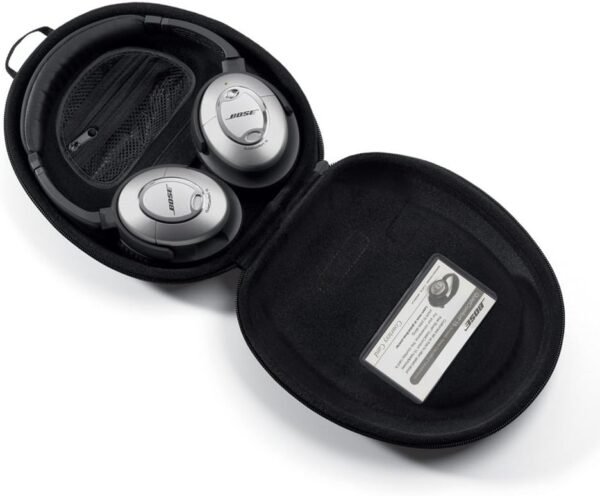
The retail listing for this product publishes no specification block whatsoever. There is no battery type or battery life, no weight, no frequency response, no impedance, no cable length, no folding or case information and no dimensions. For a noise cancelling headphone the battery arrangement is a first order question, because it determines whether the headphone works at all when the power runs out, and this listing does not answer it. Nothing in this review invents those figures, and buyers should obtain them from Bose’s own documentation for this specific model before purchase.
Beyond the missing data, the main consideration is generational. This model predates the wireless QuietComfort headphones and the current generation of cancellation technology. Cancellation performance has improved substantially across the industry since this design was introduced, and current models add wireless operation, multipoint pairing, transparency modes and app based control that this one does not have. Anyone buying today is choosing an older design, which may be the right decision on price but should be a conscious one.
Two further practical points. Availability of a discontinued or superseded model varies, and buyers should confirm whether they are purchasing new, refurbished or used stock, along with what warranty applies. And earpads on comfort oriented headphones are a consumable part that will eventually need replacing.
Who Should Buy It, and Who Should Not
This suits a buyer who specifically wants a wired, comfort focused cancelling headphone from this line and has confirmed the specification and the parts availability independently. For long flights, the QuietComfort design brief of low weight and low clamping force remains a sound one.
It does not suit anyone who wants wireless operation, current generation cancellation, or a headphone they can buy on the strength of a published specification, since this listing provides none. Those buyers should look at a current model instead, and can compare the alternatives across the over-ear headphones category.