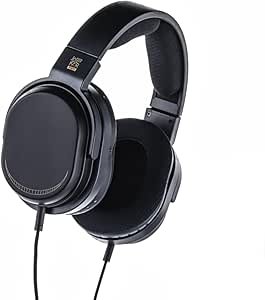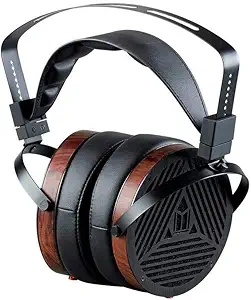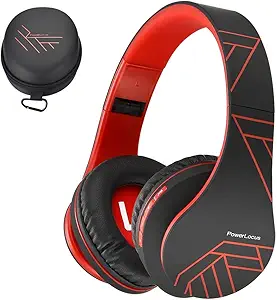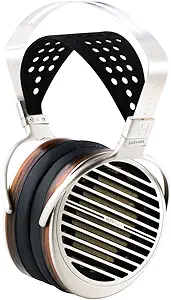
Description
What the Sony WH-1000XM3 Is and Who It Suits
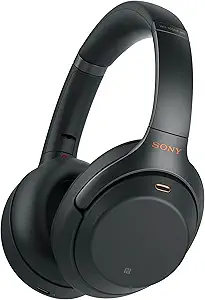
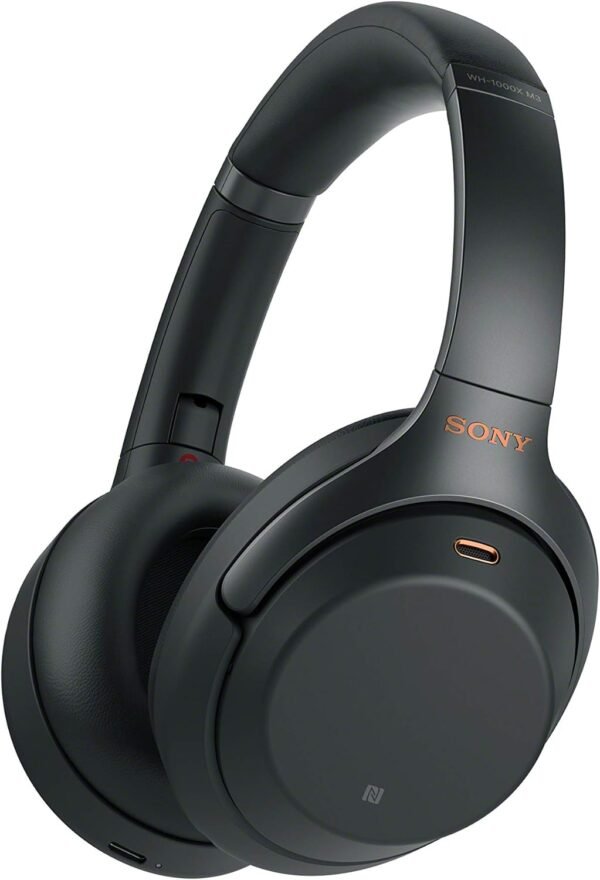
The WH-1000XM3 is the third generation of Sony’s flagship wireless noise canceling headphone line, a circumaural over-ear design with a 30 hour battery, Bluetooth 5.0 and a folding hard case. The listing gives the included components as an audio connection cable, a USB charging cable, a plug adapter for in-flight use and a compact carry case. It was listed in February 2020 and, importantly, has since been superseded by later models in the same family.
The buyer this suits is a traveler or commuter who wants noise cancellation and long battery life, and who is willing to buy an older generation to do it. The XM3 was a benchmark product in its time, and its core capabilities have not stopped working. Anyone wanting the current generation should look at the Sony WH-1000XM4, and anyone on a tighter budget should compare Sony’s own WHCH710N.
Noise Cancellation and the Travel Case
Active noise cancellation is the defining feature of this line. It works by using microphones to sample ambient sound and producing an inverted signal that cancels it, which is highly effective against continuous low frequency noise such as aircraft cabin rumble, train noise and air conditioning, and much less effective against speech and sudden sounds.
That distinction matters for expectation setting. On a flight, ANC of this class transforms the experience. In an open plan office where the problem is conversation, it helps less than people expect, because voices sit in a frequency range that cancellation handles poorly.
The accessory set reinforces the travel positioning. A hard shell case protects folding headphones in a bag, and the in-flight plug adapter converts the 3.5 mm plug to the twin pin socket still used on some aircraft entertainment systems. Both are inclusions that a commuter uses and a desk listener never touches.
Battery Life and Charging
Thirty hours is a strong figure and remains competitive years after this model’s introduction. It covers multiple long haul flights or a working week of commuting between charges, which is the practical threshold at which battery anxiety disappears.
The specification table gives the battery as a single lithium polymer cell, included, and lists a USB charging cable in the box. It does not state the charging time, the connector type on the headphone, or whether quick charging is supported, all of which appear in Sony’s own documentation but not here.
Connection, Controls and Listing Contradictions
Bluetooth 5.0 handles wireless connection, and the listing describes compatibility with Bluetooth enabled devices generally. The specification table does not list codec support, which is a meaningful omission on a Sony headphone since the company’s own LDAC codec is one of the differentiators of this range.
The wired option is confirmed by the cable feature field, which describes a headphone cable of approximately 3.94 feet using oxygen free copper strands and a gold plated stereo mini plug. A wired connection allows use when the battery is flat and avoids Bluetooth latency for video, so it is a genuine feature rather than a fallback.
This is where the listing contradicts itself. The headphones jack field says usb, while the cable feature field in the same table describes a stereo mini plug, which is a 3.5 mm connection. Those cannot both be the analog input. The control type and control method are both listed as voice, when this model is primarily operated by a touch panel on the right earcup with voice assistant access as a secondary function. A field reading number of USB 2 ports, set to one, is stray data on a headphone.
The item weight of 1 pound and the product dimensions of 11 by 9 by 6 inches describe the packaged product, not the headphone. The frequency range is given as up to 40 kHz, an upper bound with no lower figure, and the specific use is listed as calling, which understates a product designed principally for music.
Highlights
- 30 hour rated battery life, still competitive against current models.
- Active noise cancellation aimed at continuous travel noise.
- Circumaural over-ear design with a folding hard shell case.
- Wired fallback using the supplied 3.94 foot cable with a gold plated mini plug.
- In-flight plug adapter included for aircraft entertainment systems.
- Bluetooth 5.0 with touch panel and voice assistant control.
Things To Consider
This is an older generation product. Sony has released newer models in the same line with improved cancellation, better call handling and multipoint connection. A buyer choosing the XM3 should do so knowingly, on price, rather than believing it is current.
The Amazon sales rank on this listing is very low within over-ear headphones, which is what happens to a superseded model. That also means stock, warranty support and available colors may be limited, and the listing does not state whether the product is discontinued.
The specification table contradicts itself on the headphone jack, listing usb in one field and describing a stereo mini plug in another. It also lists voice as the only control method and includes a stray USB port count.
No codec support is stated, which matters on a Sony headphone where LDAC is a key differentiator. Charging time, quick charge support and replacement earpad availability are also unaddressed. Buyers comparing the wider over-ear headphones category should weigh it against the older Bose QuietComfort 15 and against non cancelling alternatives such as the JBL Tune 710BT, which trade ANC for a longer battery.
Who Should Buy It and Who Should Not
The XM3 makes sense for a traveler who wants effective noise cancellation and 30 hour battery life from a previous generation flagship, and who values the folding case and in-flight adapter. The fundamentals of the design have aged well, and the wired fallback keeps it usable indefinitely.
It is the wrong purchase for someone who wants the current generation feature set, for anyone who needs multipoint connection to two devices, or for a buyer who requires confirmed warranty and stock support on a model Sony no longer leads with. Those buyers should choose a current model instead.