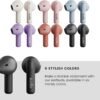
Description
What the Sudio A1 Is and Who It Suits
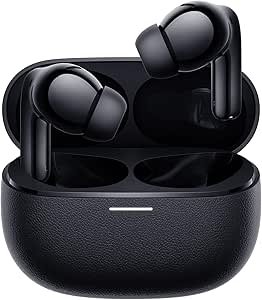
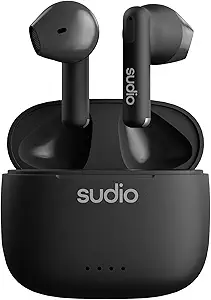
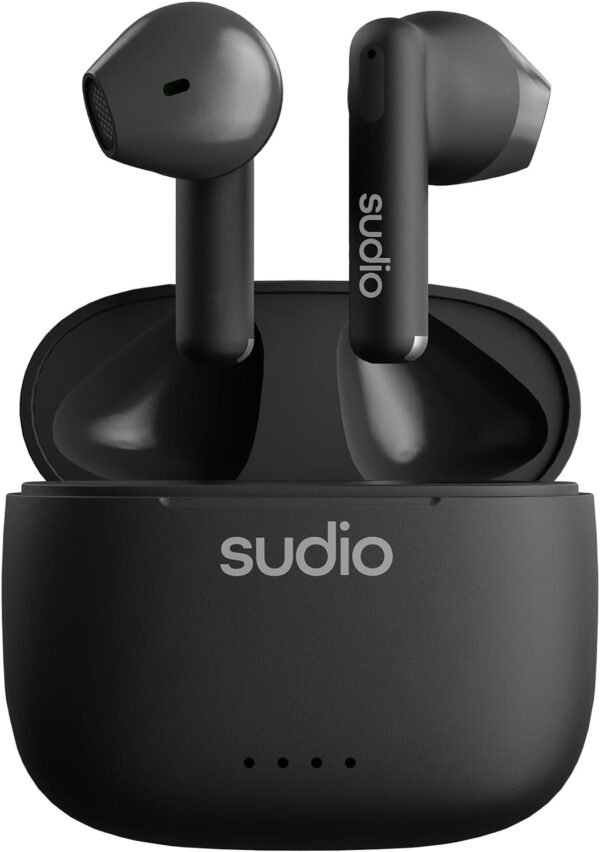
The Sudio A1 is a compact true wireless earbud set built around Bluetooth 5.3, touch controls and a pocket sized charging case. The listing gives the weight as 0.176 ounces, the driver type as dynamic, the frequency range as 20 Hz to 20,000 Hz and the model number as SD-1701. It was first listed in June 2023 and carries 173 ratings at an average of 3.9 stars, which is a below average score for the category and worth noting up front.
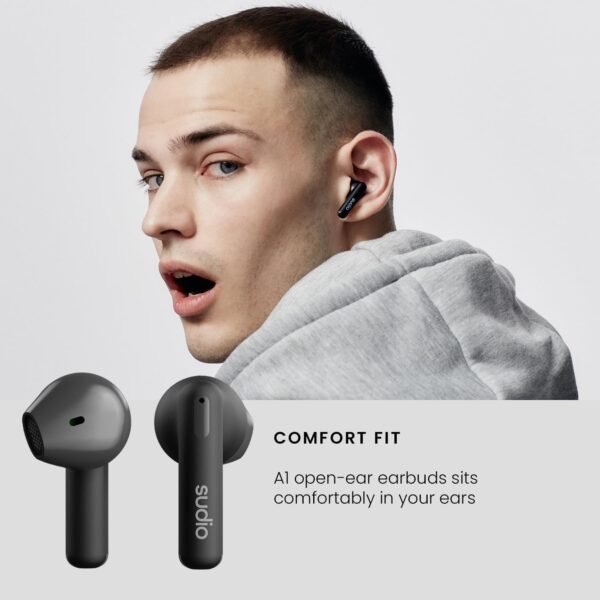
The intended buyer is someone who wants small, light earbuds for commuting, workouts and general daily use rather than critical listening. Sudio positions them around comfort and portability, and the specification set supports that framing. Listeners who want serious active noise cancellation should be looking at options such as the Soundcore A30i or the Xiaomi Redmi Buds 6, and anyone training hard should consider a sport specific design like the JLab Epic Air Sport ANC 3.
Connection and Controls
Bluetooth 5.3 is current for the category. Sudio describes one step pairing: taking the buds out of the case connects them to each other, after which pairing to a phone proceeds normally. The company cites low latency as a benefit of the standard, which is a claim about Bluetooth 5.3 in general rather than a measured figure for these earbuds. The listing gives a Bluetooth range of 10 meters, written in the specification table in an odd scientific notation format that reads as 1E+1 Meters.
Controls are touch based on the bud surface, handling music, calls and volume. Touch controls on small earbuds are a mixed proposition in general use: they avoid pressing the bud further into the ear, but they are also easy to trigger accidentally when adjusting fit. The listing does not say whether the touch controls are customizable through an app, and no companion app is mentioned anywhere in the product data.
The Noise Control Question
This is where the listing contradicts itself, and it is the most important thing a buyer should understand. The product title and the marketing bullets both describe the A1 as noise cancelling earbuds. The specification table, however, gives the noise control method as sound isolation. Those are different technologies. Sound isolation is passive: the ear tip physically blocks outside noise. Active noise cancellation uses microphones and inverse signal processing to reduce low frequency sound electronically.
Nothing else in the listing supports an active system. There is no mention of microphone count for ANC, no attenuation figure in decibels, and no transparency or ambient mode. A buyer specifically shopping for active noise cancellation should treat this listing as unproven on that point and verify with the seller before purchase.
Battery, Water Resistance and Fit
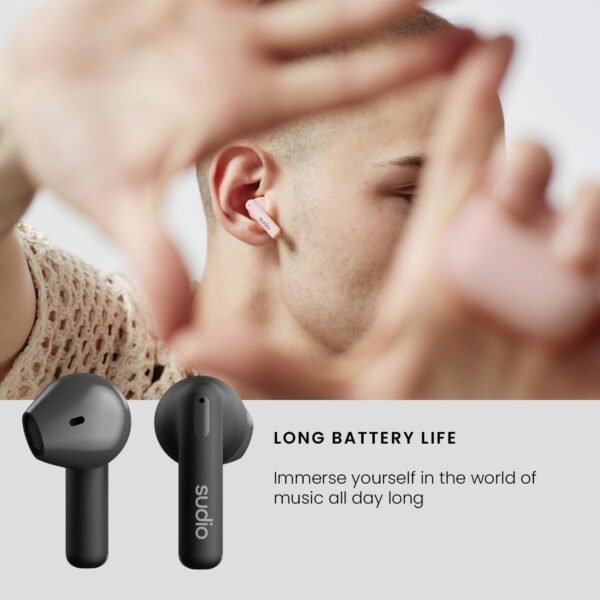
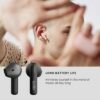
Battery figures also disagree with themselves. The marketing bullet states up to 7 hours of listening on a single charge with 45 hours in total using the case, and a 1.5 hour USB-C recharge. The specification table gives a battery life of 6 hours, a carrying case capacity of 38 hours and a case charging time expressed as 9E+1 minutes, which reads as 90 minutes. Six plus thirty eight comes to forty four, close to but not equal to the marketed forty five.
The honest reading is that single charge runtime sits somewhere around six to seven hours depending on volume and codec, and total runtime with the case is in the low forties of hours. Both figures are reasonable for the class and neither is remarkable.
Water resistance is described as splash and sweat resistant, suitable for light rain and gym use, and Sudio states the charging case is also resistant. Critically, the listing gives no IP rating anywhere. An unrated water resistance claim is much weaker than a stated IPX4 or IPX7 figure, and buyers who need certainty should not assume one.
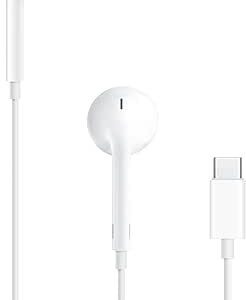
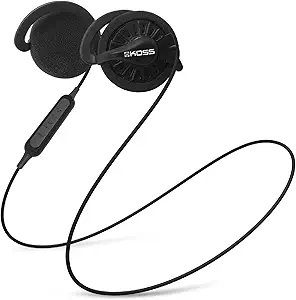
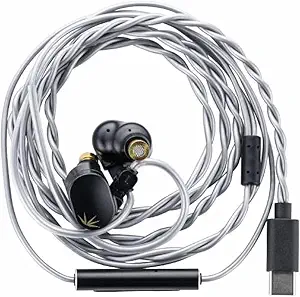
One further contradiction: the specification table lists the earpiece shape as open-ear, while the product is clearly an in-ear design with tips, and the sound isolation claim depends on a sealed fit. The Amazon best sellers ranking also files the product under on-ear headphones as well as earbud and in-ear headphones. These are listing data errors rather than product characteristics.
Highlights
- Bluetooth 5.3 with automatic pairing when the buds leave the case.
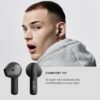
- Light at a listed 0.176 ounces per bud, aimed at long wear comfort.
- Roughly six to seven hours per charge, with a case bringing total runtime into the low forties.
- USB-C charging with a case refill quoted at about 90 minutes.
- Water and sweat resistant construction covering both the buds and the case.
- Touch controls for playback, calls and volume without needing the phone.
Things To Consider
The 3.9 star average across 173 ratings is the weakest signal here. Most earbuds in this bracket sit at 4.2 or above, and a sub 4.0 average across a reasonable sample usually reflects a real pattern rather than noise.
The noise cancelling claim is not supported by the specification data, which says sound isolation. Anyone buying for ANC specifically should assume they are getting passive isolation until proven otherwise.
Battery figures differ between the marketing copy and the specification table, and the listing gives no guidance on which is measured under what conditions. Plan around the lower numbers.
No IP rating is stated for the water resistance, which weakens the claim considerably for anyone who trains outdoors. There is also no mention of a companion app, wear detection, multipoint connection or codec support beyond the Bluetooth version, all of which are standard disclosures at this level. The specification table further lists three lithium polymer batteries as required, which presumably counts the two buds and the case, and gives an earpiece shape that contradicts the product design.
Who Should Buy It and Who Should Not
The A1 suits someone who wants light, unobtrusive earbuds for casual listening, calls and gym sessions, and who values a small case and simple pairing over feature depth. At that brief it is a reasonable option, and shoppers can compare it against the rest of the earbud headphones selection, including budget options such as the JVC Gumy and the Skullcandy Indy Evo.
It is not the right choice for a buyer who needs verified active noise cancellation, a documented IP rating, or app based control and EQ. It is also questionable for anyone who weighs owner ratings heavily, given the 3.9 star average. Those buyers should shop a listing with clearer specifications and a stronger review record.