Description
What the PreSonus CDL12P Is and Who It Suits
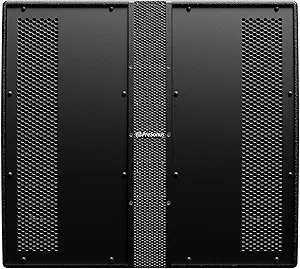
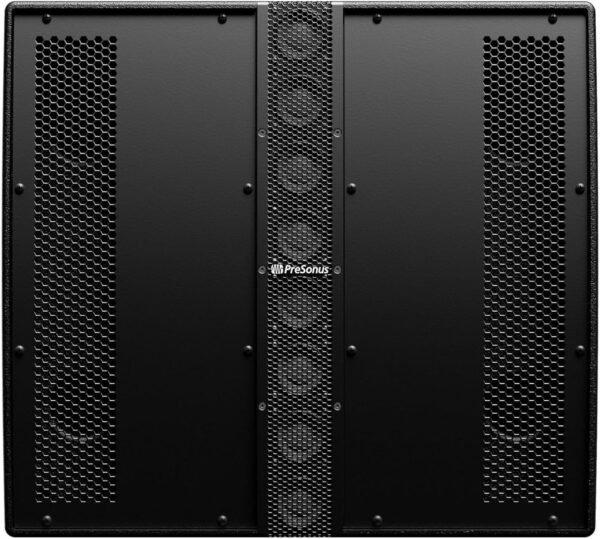
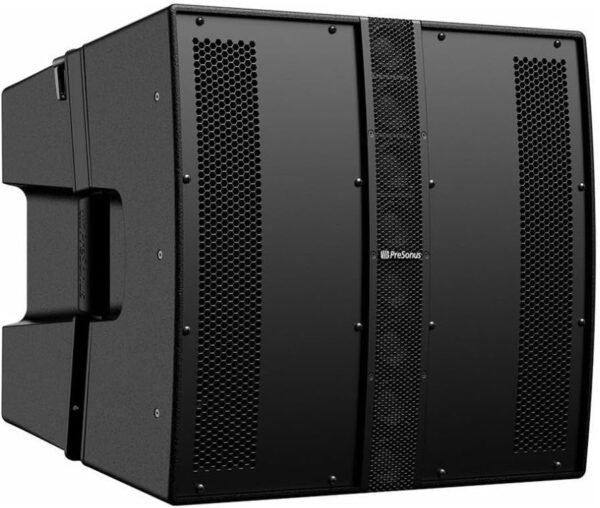
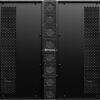
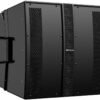
The PreSonus CDL12P is a powered professional loudspeaker built for live sound reinforcement. The listing gives a 12 inch woofer, a 2 inch tweeter, a wattage figure of 1,000 watts, a weight of 71 pounds and cabinet dimensions of 24.4 x 23 x 21.5 inches. Power source is corded electric, and the model number is recorded as 2779100202. It first became available in October 2020. This is a large, heavy, mains powered box designed to be flown from rigging or placed on a stand, not carried casually between rooms.
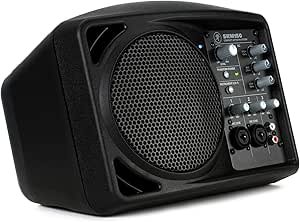
The buyer is a venue, an installer, a house of worship or a working sound company. PreSonus positions the CDL series as constant directivity designs, which is the family of loudspeaker where the coverage angle stays consistent across the frequency range instead of narrowing at high frequencies. That behavior is the reason such speakers appear in rooms with difficult acoustics. Anyone building a smaller and more portable rig should compare the Mackie SRM150 and the ProReck Club 4000, both of which target a different scale of event.
Driver Complement and Power Handling
The listed 12 inch woofer with a 2 inch tweeter is a conventional two way arrangement for a mid size powered box, and it is the configuration that gives a good balance between low frequency reach and manageable weight. The 1,000 watt figure is the amplifier rating, and as always with amplifier ratings the interesting question is how it splits between the low and high frequency sections and whether it is a peak or continuous figure. The listing does not say, so buyers matching this against another speaker on paper are not comparing like with like unless they go to PreSonus documentation for the measurement conditions.
The listing notes a processor count of one, which points to onboard digital signal processing. In a powered speaker, that processing normally handles the crossover between drivers, protection limiting, and equalization presets for different placements. Onboard processing is what allows a single cabinet to be configured for use as a main, a monitor or part of an array, and it is a large part of why powered speakers displaced separate amplifier racks in portable systems. Operators who still prefer passive cabinets with an outboard amplifier can compare the approach in the Behringer KM750 power amplifier.
Rigging, Mounting and Physical Handling
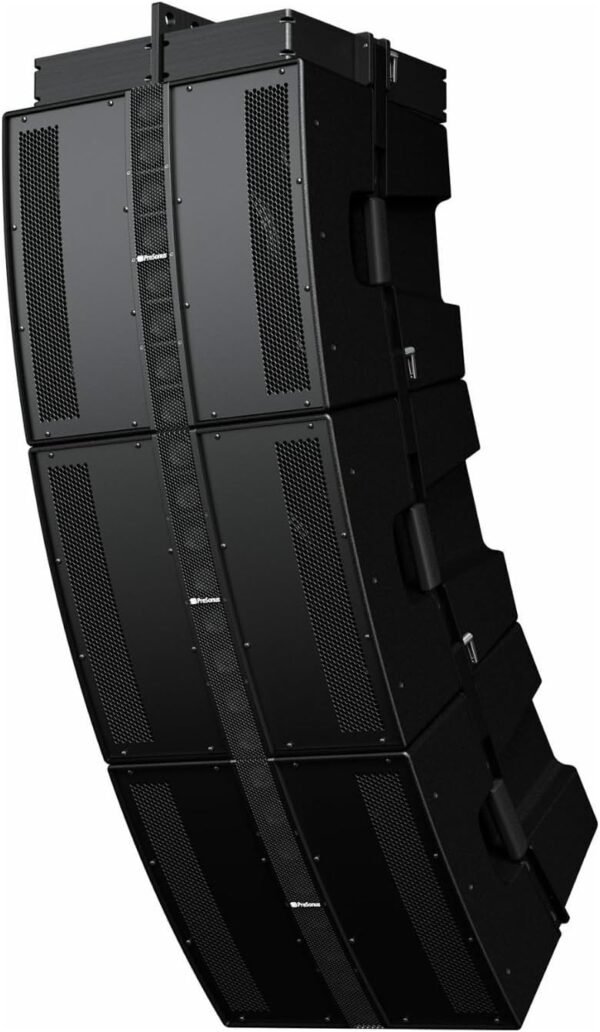
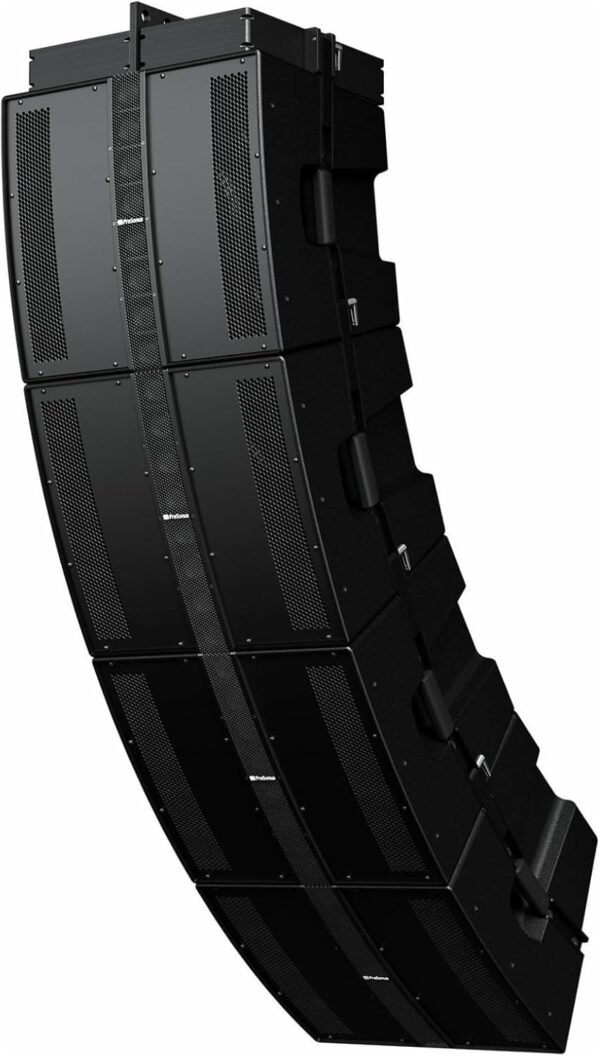
The included components list is unusually informative here. It names a 35 mm pole socket with a downward tilt, integrated flyware, and mentions the CDL Rigging Grid, CDL Rigging Extension Bar and CDL Rigging Sling as related hardware. The 35 mm socket is the standard speaker pole fitting, and building in a downward tilt is a deliberate design choice: a speaker on a pole above a standing audience needs to aim down, and a tilted socket does that without a separate bracket.
Integrated flyware means the rigging points are part of the cabinet rather than an accessory kit, which is what allows the box to be suspended safely in a permanent installation. Flying loudspeakers is a load bearing and life safety task, and it must be done by someone competent with hardware rated for the load. At 71 pounds, this cabinet is a two person lift onto a stand and a serious weight overhead. Mounting Type is listed as floor standing and tabletop mount, which understates what the cabinet is actually designed for. Buyers driving this from a stage will find microphone options in the vocal microphone section such as the PylePro PDMIC78.
Coverage, Placement and System Design
Constant directivity matters most in rooms where reflections are a problem. If a loudspeaker sends the same coverage pattern at 1 kHz and at 8 kHz, the sound reaching the back wall has the same tonal balance as the sound reaching the front row, which makes the room easier to control and speech easier to understand. Where a conventional box narrows with frequency, listeners off to the sides lose high frequency detail and the mix appears to change as they move.
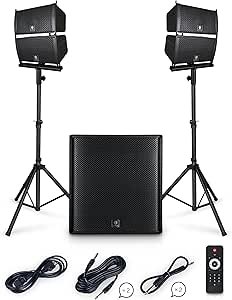
PreSonus does not publish the coverage angle in this listing, and the number is essential to system design because it determines how many boxes a given room needs and how they should be aimed. That figure should come from PreSonus documentation before any purchase decision. Compatible devices are listed broadly as projector, MP3 player, laptop, desktop, television, tablet and smartphone, which is a retail simplification rather than a professional connection list. Readers assembling a complete system can browse the PA systems category for the supporting components.
Highlights
- 12 inch woofer with a 2 inch tweeter in a powered two way cabinet.
- 1,000 watt amplifier rating according to the listing.
- Onboard digital processing, indicated by the single processor count in the specifications.
- 35 mm pole socket with a built-in downward tilt for stand mounting above an audience.
- Integrated flyware for permanent suspended installation.
- Warranty listed as full or extended depending on registration.
Things To Consider
The imported specification block describes this product poorly. Speaker Type is listed as Woofer, which is a component rather than a product class. Subwoofer Diameter is given as 12 Inches when the 12 inch driver is the main woofer and this cabinet is not a subwoofer. Surround Sound Channel Configuration is listed as 2.0 on a single mono PA box. Control Method is given as Remote and Touch, which does not describe a professional loudspeaker’s front panel. The included components text also contains a corrupted character where a degree symbol should appear in the tilt angle.
The practical limitations are about scale and cost of ownership. At 71 pounds this is not a one person load in, and a stand rated for that weight is a separate purchase. Flying the cabinet requires rigging hardware and competent installation. The listing publishes no maximum sound pressure level, no coverage angle, no frequency response and no connection detail, all of which are needed for system design. The sales rank of number 1,170 in PA Systems indicates a specialist product with modest retail volume, so buyer feedback is thin compared with consumer gear.
Who Should Buy It, and Who Should Not
This suits a venue, an installer or a sound company that needs consistent coverage in a difficult room and has the rigging knowledge and the labor to deploy a 71 pound cabinet properly. Its onboard processing and integrated flyware are the features that justify it over a simpler powered box.
It does not suit a solo performer, a mobile DJ working alone, or anyone who needs to carry a system up stairs without help. Those users should look at a lighter powered speaker or a compact column system instead, and can start from the PA systems category.