

Description
What the PylePro PDMIC78 Is and Who It Suits
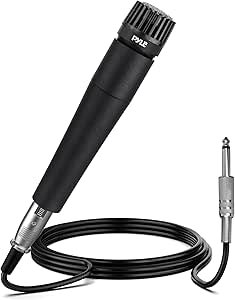
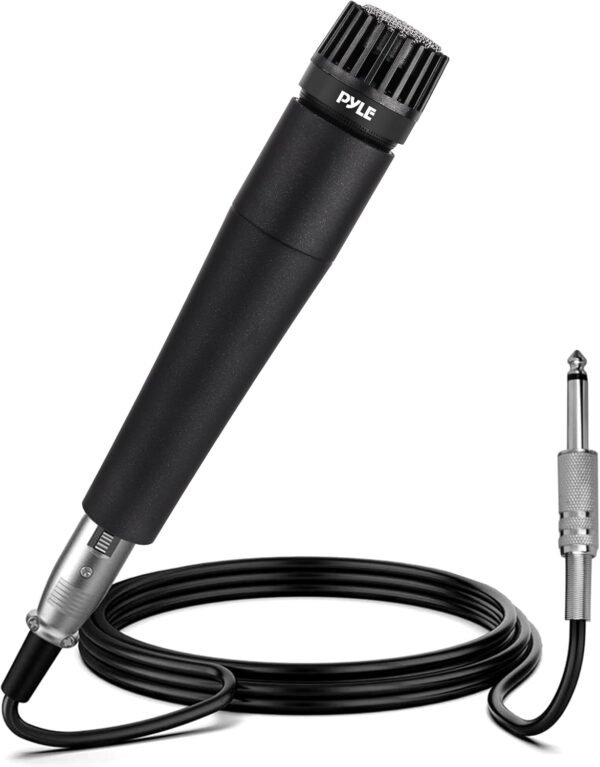
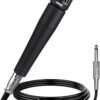
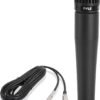
The PDMIC78 is a wired handheld dynamic microphone of the most conventional kind: a metal bodied vocal microphone with a unidirectional pickup pattern and an XLR output. The listing gives the body material as zinc alloy metal, the impedance as 600 ohms, the frequency range as 50 Hz to 15 kHz and the signal to noise ratio as 70 dB. It has been listed since July 2011 and ranks near the top of the vocal dynamic microphone category, which for a product this old indicates steady, long term sales rather than a recent marketing push.
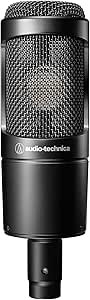
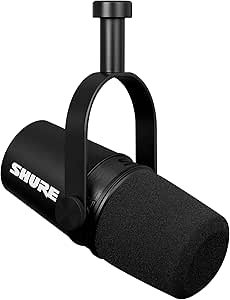
The buyer this suits is someone who needs a microphone that works and can be treated roughly: karaoke, school events, community halls, a practice room, a small venue, or a spare that lives in a case. Dynamic microphones need no power, tolerate high sound pressure and survive being dropped, which is why they dominate live vocal use. Anyone recording in a controlled room for podcasting or vocals should be looking at a studio microphone such as the Shure MV7X or the Audio-Technica AT2035 instead.
The Dynamic Design and Its Consequences
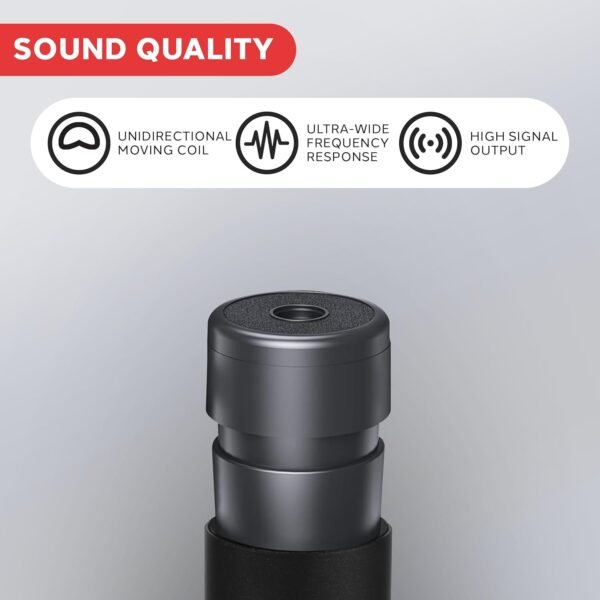
A dynamic microphone works by moving a coil attached to a diaphragm within a magnetic field. That construction has three practical consequences. It requires no phantom power, so it works with any mixer or amplifier with a microphone input. It handles very loud sources without distorting. And it is physically robust in a way that condenser capsules are not.
The tradeoff is sensitivity and detail. Dynamic microphones produce a lower output signal than condensers and roll off the extremes of the frequency range. The stated 50 Hz to 15 kHz range reflects that: it captures the vocal range fully but does not extend to the 20 Hz to 20 kHz figure a condenser would claim. For live vocals this is an advantage rather than a limitation, since the restricted bandwidth reduces stage rumble and cymbal bleed.
The unidirectional pattern is the other half of the live equation. Rejecting sound from behind the microphone is what allows a vocalist to stand in front of a monitor speaker without immediate feedback. It is not total rejection and it does not eliminate feedback, but it is the reason this shape of microphone exists.
Impedance and Connection
The listed impedance of 600 ohms is on the high side for a modern dynamic microphone; many sit between 150 and 300 ohms. Higher impedance can mean slightly more susceptibility to cable losses over long runs and a lower output level into some preamplifiers. It is a workable figure with any standard microphone input, including the input on a commercial amplifier such as the Rockville RCS80-1 or a battery powered party system such as the JBL PartyBox 310, but it is worth knowing.
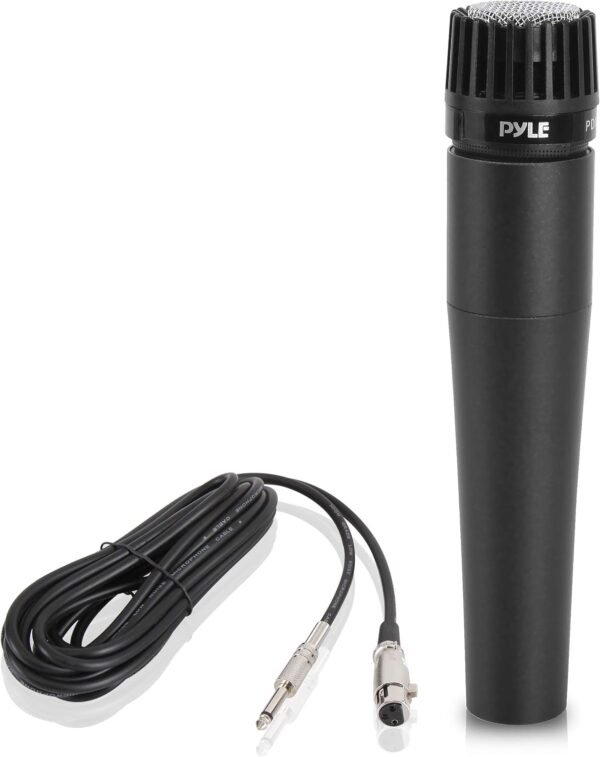
The microphone connects by XLR cable. XLR carries a balanced signal, which resists interference over long cable runs, and it is the standard connector for every professional microphone input. It does mean the microphone cannot plug directly into a computer without an interface, despite what one field in the listing suggests.
Listing Data and What It Does Not Say
This listing is unusually poor even by the standards of this category. There is no manufacturer description, no feature bullets and no product title in the Amazon data, so the entire technical picture comes from the attribute table, and that table contains several impossible entries.
The power source is listed as corded electric. A dynamic microphone requires no power at all, which is one of its defining characteristics. The hardware platform is listed as gaming console, PC and karaoke machine, none of which accept an XLR microphone without an interface or an adapter. The frequency response field reads 15 KHz on its own, which is the upper bound rather than a response figure, while a separate field correctly gives the range as 0.05 kHz to 15 kHz.
The item weight of 1.3 pounds is heavy for a handheld microphone and probably includes the cable and packaging; the listed item dimensions of 3.5 by 10 by 5 inches are clearly box dimensions rather than the microphone body. Most tellingly, the UPC field contains seven different codes and the global trade identification number field contains two, which strongly suggests this listing has been merged from several product variants or bundles. Buyers should confirm exactly what is in the box, including whether a cable, a clip or a case is supplied, before ordering.
Highlights
- Zinc alloy metal body built to survive live handling and transport.
- No power required, so it works with any standard microphone input.
- Unidirectional pickup pattern for better rejection of sound from behind the microphone.
- 50 Hz to 15 kHz range, matched to vocal reproduction rather than full bandwidth capture.
- Balanced XLR connection suitable for long cable runs.
- Long established listing with a strong ranking among vocal dynamic microphones.
Things To Consider
The listing quality is the main caution. With no description, no bullets and a title absent from the product data, a buyer is working almost blind, and the attribute table contains claims that are simply wrong.
The multiple UPC codes indicate a merged or bundled listing. What arrives may differ in accessories from what the product images show. Confirm cable length, clip and case inclusion before purchase.
Six hundred ohms is higher impedance than most current dynamic microphones, which can mean a slightly weaker signal into some preamplifiers. It is not disqualifying, but it means gain settings will sit higher than with a lower impedance model.
Dynamic microphones of this type are not suited to detailed studio capture. The bandwidth limit and the lower sensitivity that make them robust on stage make them the wrong tool for acoustic instruments, room capture or nuanced vocal recording. A drum kit application would need a purpose designed set such as the Shure DMK57-52. Finally, the listing gives no pickup pattern diagram, no sensitivity figure in millivolts per pascal, and no maximum sound pressure level, all of which are standard disclosures for a microphone.
Who Should Buy It and Who Should Not
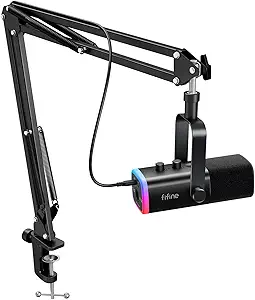
The PDMIC78 suits a buyer who needs a robust, low cost vocal microphone for live use, announcements, karaoke or as a spare, and who values durability and simplicity over specification detail. Requiring no power and tolerating rough handling covers most of what a general purpose handheld needs to do. Buyers can compare it with other options in the vocal microphones category, including the streaming focused FIFINE AM8T.
It is not the right microphone for studio vocal recording, for podcasting where tone quality is the product, or for anyone who needs documented specifications before purchase. Those buyers should choose a listing with complete data and a microphone designed for controlled environments.