Description
What the Valeton GP-100 Is and Who It Suits
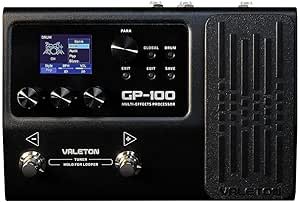
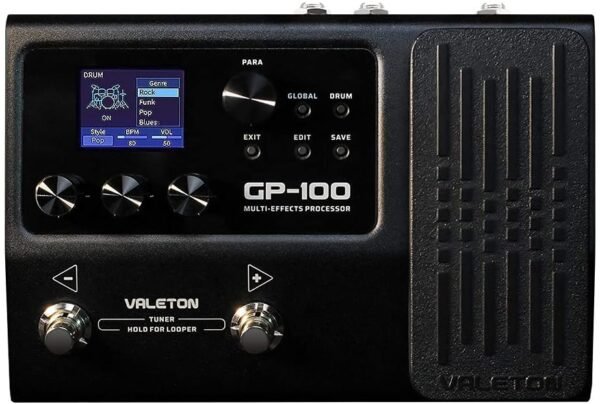
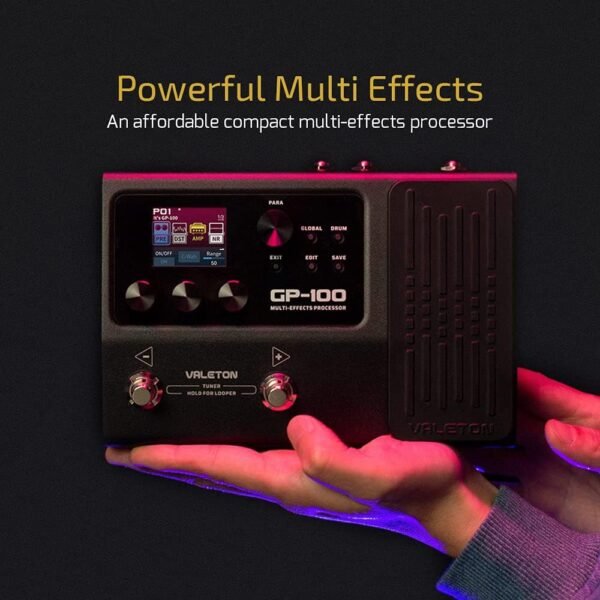
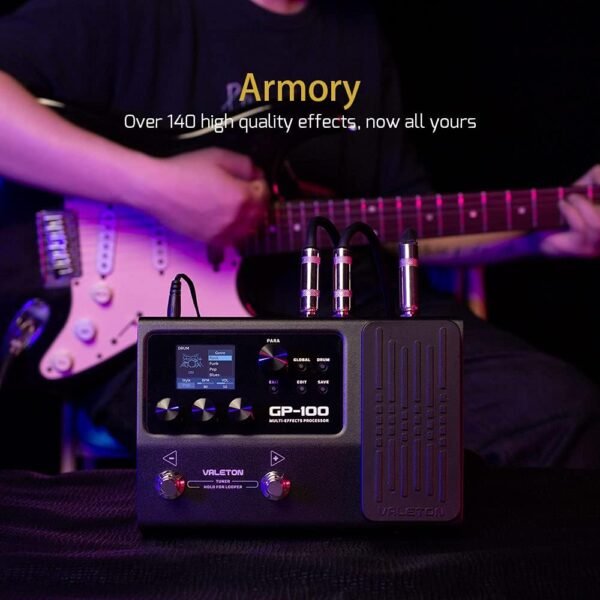
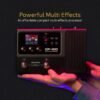
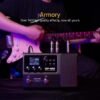
The Valeton GP-100 is a floor based multi effects processor for guitar and bass that bundles amp modeling, cabinet impulse responses, a looper, a drum machine and a USB audio interface into one enclosure. Valeton lists 140 built in effects covering guitar, bass and acoustic applications, 45 amp models and 40 selected IR cabinet simulations, all running at 24-bit and 44.1kHz. The listing gives the size as 7.8 by 5.28 by 1.1 inches at 1.76 pounds, and shows 819 ratings at an average of 4.5 stars.
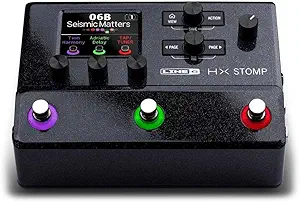
The buyer this suits is a player who wants a wide tonal palette in one box without building a pedalboard, and who values recording and practice features as much as stage use. Beginners who want to explore sounds and intermediate players who need a compact backup rig are both plausible fits. A player who already knows exactly which three or four sounds they need is better served by dedicated pedals such as the Boss DD-8 delay, and a player needing professional grade amp capture belongs one tier up with something like the Line 6 HX Stomp.
The Modeling Engine and Signal Chain
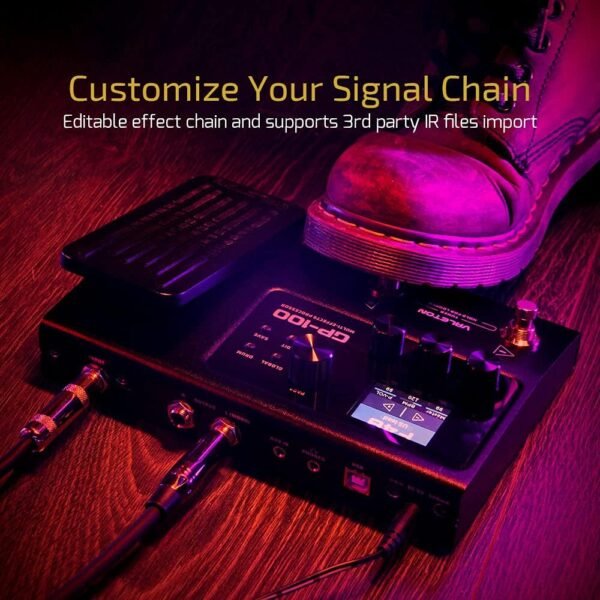
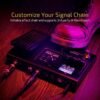
Valeton describes the GP-100 as running an HD digital modeling system, with an adjustable signal chain supporting a maximum of nine simultaneous effect blocks. Nine blocks is generous for a unit this size and means a player can stack a compressor, drive, amp, cabinet, modulation, delay and reverb with room left over rather than being forced to choose.
The 24-bit and 44.1kHz processing figure is worth reading carefully. 24-bit depth is standard for modern audio hardware, while 44.1kHz is the lower of the two common sample rates, with 48kHz being typical for units aimed at video and higher end recording. It is not a fault at this level, but it is a real technical difference from more expensive processors, and Valeton does not draw attention to it.
Third Party Impulse Responses
The unit ships with 40 IR cabinet simulations and supports loading third party impulse responses into 20 user slots. This is a meaningful feature rather than a checkbox. Cabinet IRs have a larger effect on recorded tone than most players expect, and the ability to load commercially available or freely shared IRs extends the usable life of the unit well past its factory content. Anyone who finds the stock cabinets limiting has a clear path forward without buying new hardware.
The signal chain is user reorderable, which matters because effect order changes the result substantially. Placing a drive before an amp model behaves very differently from placing it after, and the GP-100 lets the player make that choice rather than fixing the order.
Practice, Recording and Interface Features
Practice tools are well covered for the class. Valeton lists 100 built in drum rhythms and a 90 second looper, with 198 presets available for storing configurations. Ninety seconds is enough for verse and chorus loops and songwriting sketches, though it will feel short to anyone building longer layered arrangements.
The USB audio interface is the feature that separates this unit from a plain pedal. It carries stereo audio streaming into a computer, so the GP-100 can serve as the recording front end for a guitar without a separate interface. OTG support extends that to iOS and Android devices directly, which is genuinely useful for anyone recording into a phone or tablet. Editing and preset management run through free Mac and Windows software, and the hardware interface itself supports multiple languages.
Power comes from a 9 volt corded supply according to the specifications, with the connector type listed as USB and the hardware interface also listed as USB. The listing does not distinguish clearly between the power connection and the data connection, which is a small but real ambiguity for anyone planning a pedalboard power layout.
Highlights
- 140 effects, 45 amp models and 40 IR cabinets in a unit weighing 1.76 pounds.
- Nine simultaneous effect blocks with a fully reorderable signal chain.
- 20 user slots for third party impulse responses, extending the unit past its factory cabinet set.
- Stereo USB audio interface with OTG support for direct recording into phones and tablets.
- 100 drum rhythms, a 90 second looper and 198 preset slots for practice and writing.
- Onboard expression pedal and multi language hardware interface.
Things To Consider
The 44.1kHz sample rate is the clearest technical compromise. Players intending to integrate the GP-100 into a 48kHz project studio workflow should verify how their software handles the rate conversion before relying on it as a primary interface.
Preset depth on units in this class is usually the first thing to disappoint. A 45 amp model count is impressive on paper, but the practical question is how many of those models a player will actually use, and Valeton offers no guidance on which models correspond to which real amplifiers. Expect to spend time auditioning rather than finding a usable sound quickly.
Editing on the hardware itself is limited by the small display and control count that a unit this size implies. The free computer software mitigates this, but it also means the deepest editing depends on having a computer available, which is inconvenient at a rehearsal or on stage.
The 90 second looper will constrain anyone building longer pieces. The listing also specifies a corded electric power source at 9 volts with no battery option, so this is not a unit for busking without mains power. Finally, the listing color is given only as black with no other options noted.
Who Should Buy It and Who Should Not
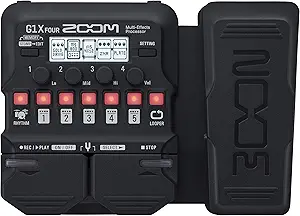
The GP-100 makes sense for a player who wants one compact box that covers practice, recording and small gigs, and who is willing to spend time exploring presets to find their sounds. The IR loading and USB interface give it more longevity than its size suggests. Players comparing options across the floor multieffects category will find it sits at the accessible end while offering features that used to require far more expensive hardware, and it is worth weighing against the Zoom G1X FOUR and the MOOER GE100.
It is a poor fit for a player who needs professional grade amp capture, for anyone whose workflow depends on 48kHz recording, or for a purist who wants a small number of high quality analog pedals rather than a broad digital toolkit. Those players should look at dedicated units or at higher tier processors.