Description
What the Lewitt LCT 440 Pure Bundle Is and Who It Suits
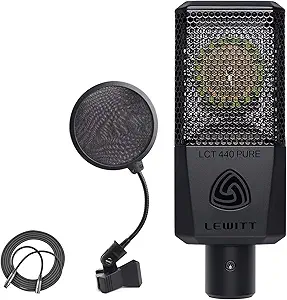
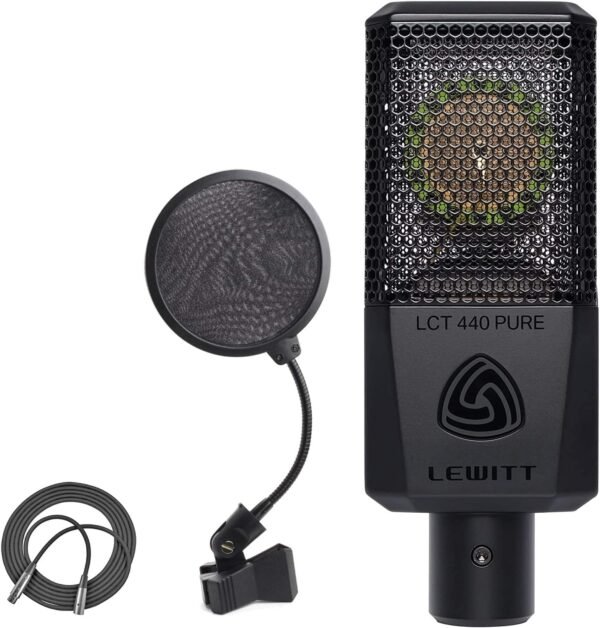
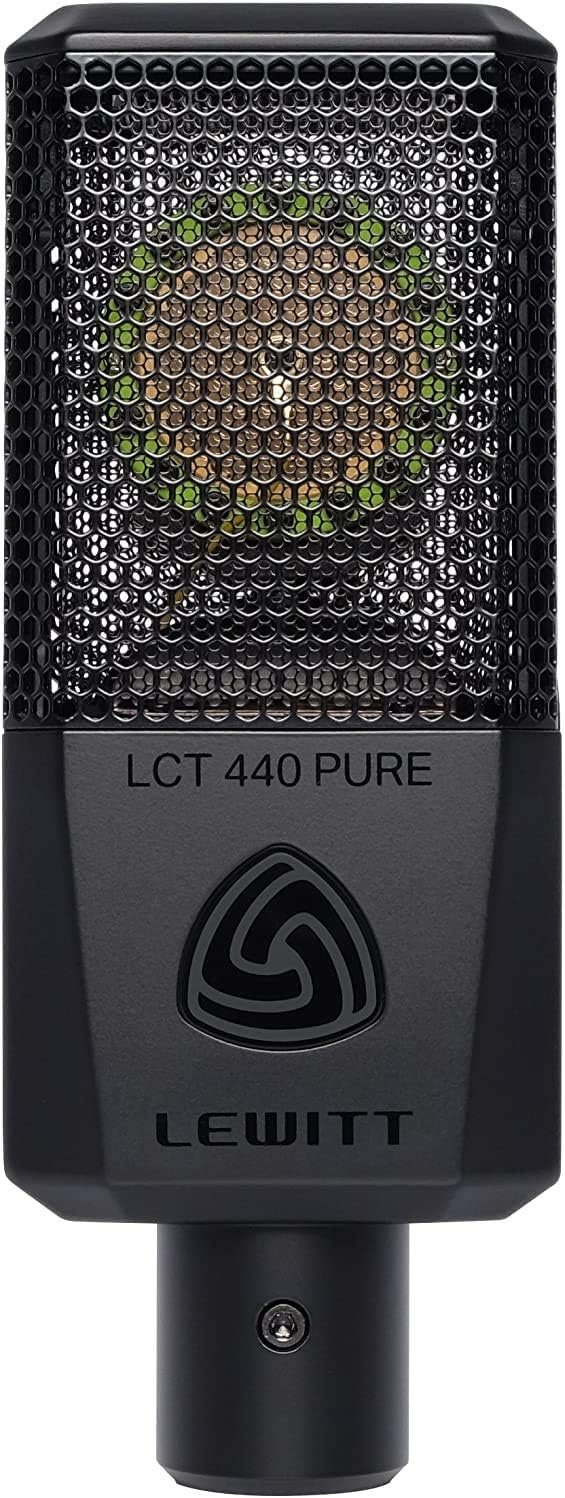
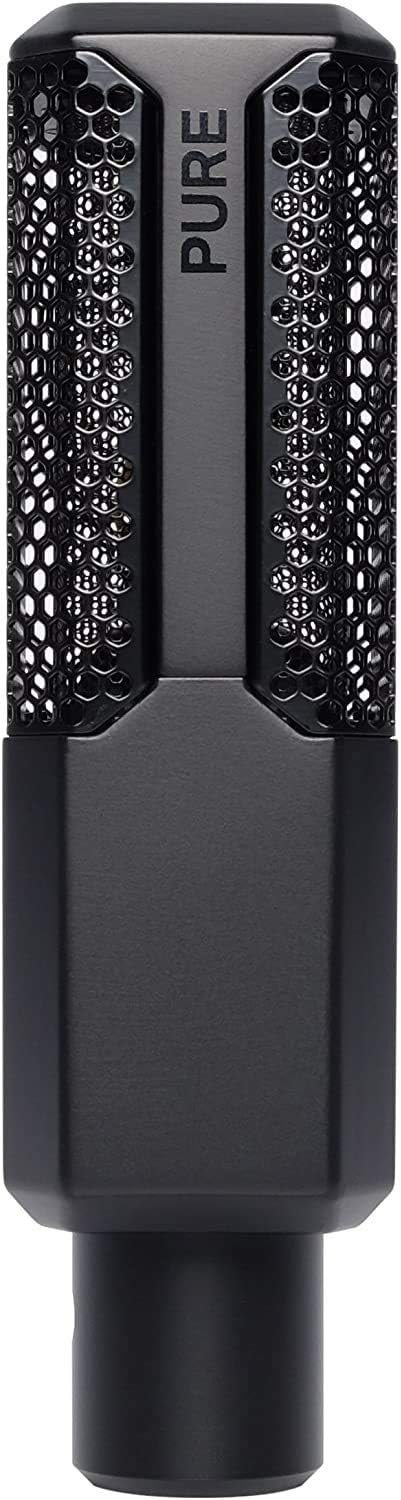
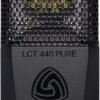
This listing bundles the Lewitt LCT 440 Pure large diaphragm condenser microphone with a pop filter and a microphone cable. Lewitt is an Austrian manufacturer whose stated design approach with the 440 Pure was to strip a studio condenser back to a single cardioid pattern with no pad and no filter switches, and to spend the saved cost on the capsule and electronics rather than on features. The listing gives the material as zinc, the bundle weight as 3.19 pounds and the package dimensions as 7 by 3 by 9 inches, with 78 ratings at an average of 4.8 stars since September 2020.
The buyer this suits is someone recording vocals, voiceover or acoustic instruments in a home or project studio who wants capsule quality rather than a switch count. Bundling the pop filter and cable removes two purchases that a first time buyer would otherwise discover they needed. Anyone who wants switchable patterns, a pad and a high pass filter should look at the Audio-Technica AT2035 or the higher tier Audio-Technica AT4040 instead.
Self Noise and What 7 dB Means
The specification that matters most here is the self noise figure of 7 dB. Self noise is the sound the microphone’s own electronics produce with no input, and it sets the floor below which nothing can be recorded cleanly. Typical studio condensers sit between 10 and 18 dB. A figure of 7 dB is genuinely low and is the headline specification Lewitt built this microphone around.
The practical benefit appears on quiet sources: fingerpicked guitar, soft vocals, room ambience, spoken word at a distance. On loud sources it makes no difference at all, because the signal is far above the noise floor either way. Buyers recording loud material are paying for a characteristic they will not hear.
The listing complicates this by giving the signal to noise ratio as 7 dB in a separate field, which cannot be correct. Signal to noise for a microphone of this class would normally be in the high eighties, and 7 dB appears to be the self noise figure duplicated into the wrong field. Both numbers in the table read 7 dB, which is the giveaway.
The Single Pattern Design
A fixed cardioid pattern with no pad and no high pass filter is a deliberate simplification. The advantages are fewer components in the signal path and a lower price for a given capsule quality. The disadvantages are practical: without a pad, very loud sources can overload the microphone, and without a high pass filter, low frequency rumble has to be removed later in software.
Neither limitation is severe for home recording. Software high pass filtering is effectively free and equally effective, and most home sources are not loud enough to need a pad. But a buyer who intends to record a guitar cabinet or a drum kit should understand that the pad is genuinely absent rather than merely unmentioned.
What the Bundle Includes and What It Does Not
The pop filter is the more valuable of the two included accessories. Any cardioid condenser used close to a voice will register plosive bursts from p and b sounds as low frequency thumps, and a pop filter is the standard remedy. Buying one separately is a small cost, but the more common outcome is that a first time buyer does not buy one at all and wonders why their recordings thump.
The cable is a straightforward inclusion. The microphone connects by XLR and requires 48V phantom power, supplied by an audio interface or mixer. The specification table lists the power source as corded electric, which is misleading in the same way it is on every condenser listing: there is no power cord, only phantom power over the XLR line.
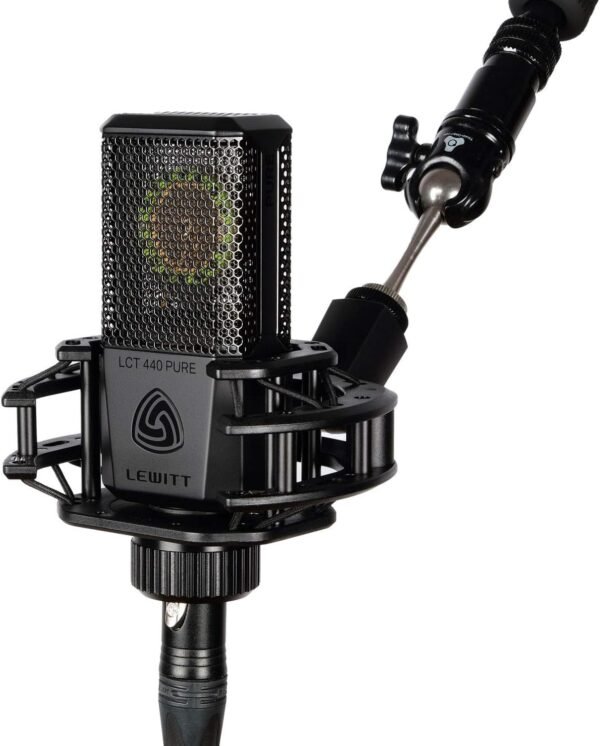
What the bundle does not include is a stand or a boom arm, and the listing does not state whether a shock mount is supplied. A shock mount matters on a sensitive condenser, since desk and floor vibration reaches the capsule otherwise. A studio arm such as the RODE PSA1+ is the usual desk solution and should be budgeted alongside.
The listing carries no manufacturer description and no feature bullets at all, so the specification table is the only source and it is thin. There is no frequency response, no maximum sound pressure level, no sensitivity figure and no polar pattern statement in the product data. The bundle weight of 3.19 pounds and the 7 by 3 by 9 inch dimensions describe the packaged bundle rather than the microphone.
Highlights
- Very low stated self noise of 7 dB, well below the class average.
- Large diaphragm condenser design focused on capsule quality rather than switch count.
- Pop filter and cable included, removing two commonly forgotten purchases.
- Zinc body construction rather than plastic.
- Fixed cardioid pattern, the correct choice for solo vocal and instrument recording.
- 78 ratings at an average of 4.8 stars, the highest average in this group.
Things To Consider
Phantom power is required. This microphone cannot connect to a computer, a phone or a camera directly, and an audio interface or mixer supplying 48V is a mandatory additional purchase for anyone who does not already own one.
There is no pad and no high pass filter. Loud sources risk overload with no way to attenuate at the microphone, and low frequency filtering has to happen in software after the fact.
The specification table is almost empty and contains at least one clear error, with the signal to noise ratio duplicating the self noise figure. Frequency response, sensitivity and maximum sound pressure level are all absent.
The listing does not confirm whether a shock mount is included, which is a real question for a microphone whose selling point is a low noise floor. It also does not state the cable length. Finally, 78 ratings is a small sample; a 4.8 average across that many reviews is encouraging but not conclusive. Buyers wanting a broader comparison should look through the vocal microphones category and the multipurpose microphones category before deciding.
Who Should Buy It and Who Should Not
This bundle makes sense for a home or project studio recording quiet to moderate sources, where a low noise floor is genuinely audible and where a pop filter and cable in the box removes friction from getting started. The single pattern design is a reasonable trade at this level. Buyers can compare it against simpler options such as the AKG P120 or against USB alternatives such as the Samson Meteor Mic.
It is the wrong microphone for anyone without phantom power, for loud source recording where a pad is needed, or for a buyer who requires a full published specification before purchase. This listing does not provide one.